Cancer
Closing the Gap: What Data and Frontline Experiences Reveal About Cancer in Black California
Data and frontline reports highlight the deep structural barriers driving higher cancer mortality among Black Californians, underscoring the urgent need for a diverse medical workforce.
Published August 7, 2026 · HealthHBCU Newsroom

New data and firsthand accounts from healthcare providers across California are casting a bright light on persistent disparities in cancer outcomes for Black residents. Despite overall advances in oncology and early detection technologies, Black Americans in California continue to face higher mortality rates and late-stage diagnoses across several major cancer types compared to other racial groups.
The gap highlights the complex interplay of structural inequities, medical mistrust, and delayed access to preventative screenings. Frontline clinicians report that structural barriers—ranging from inadequate health insurance coverage to long travel distances for specialized care—frequently prevent patients from seeking early intervention, when cancer is most treatable.
Structural Barriers to Early Detection
The data reveals that late-stage diagnosis remains one of the most critical factors driving higher cancer death rates among Black communities. Routine screenings for breast, prostate, colorectal, and lung cancers are essential for catching malignancies early. However, frontline workers emphasize that socio-economic stresses and healthcare fragmentation often force individuals to prioritize immediate living costs over preventative health appointments.
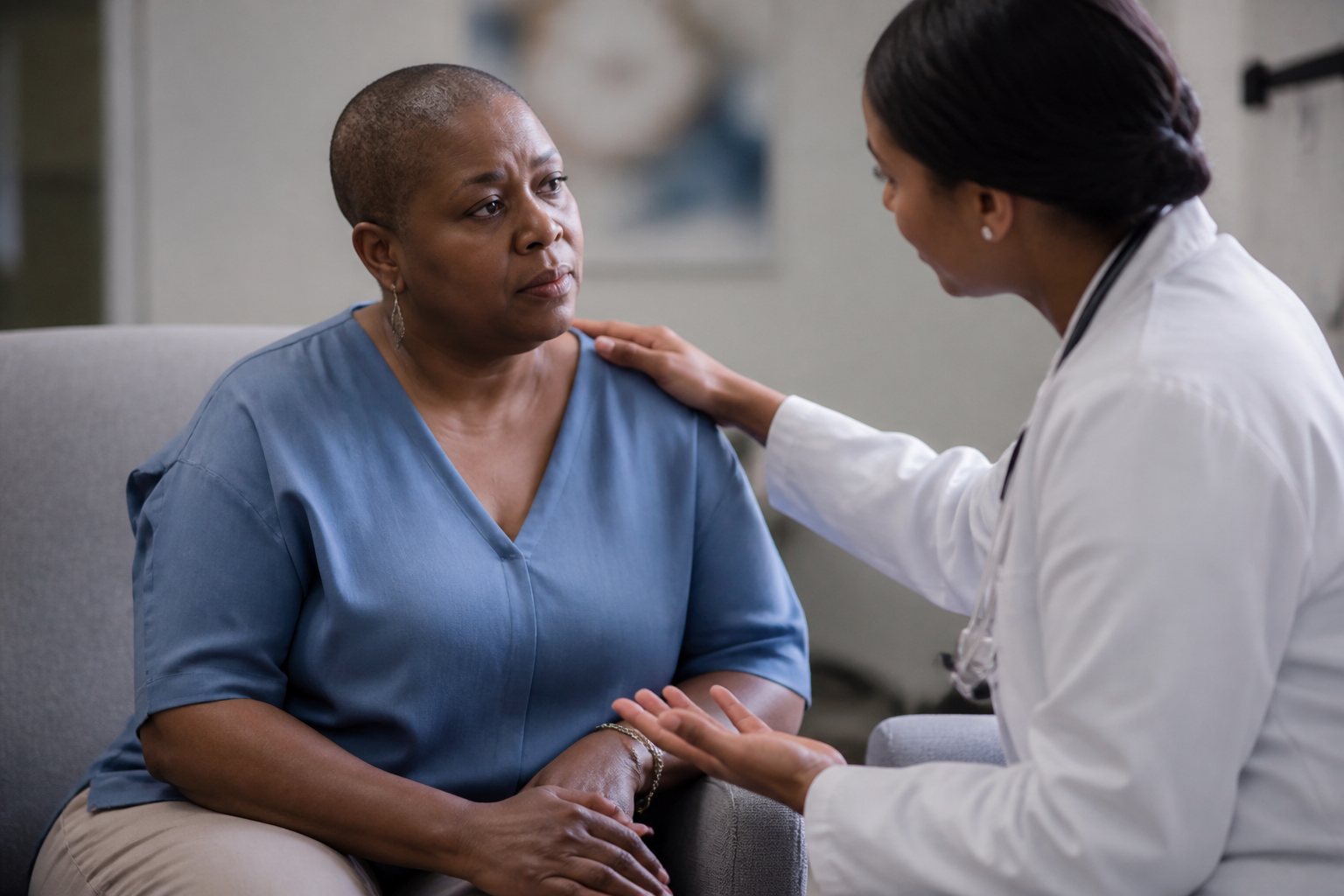
Furthermore, implicit bias within clinical settings continues to undermine patient trust. Healthcare workers on the ground note that when patients feel their symptoms are dismissed or undervalued by care providers, they are significantly less likely to return for follow-up testing or strictly adhere to complex treatment regimens.
Building a Pipeline of Diverse Caregivers
Addressing these entrenched disparities requires a fundamental shift in how care is delivered to marginalized communities. Medical researchers and public health advocates point to the diversification of the healthcare workforce as a proven strategy to improve patient engagement and clinical outcomes. Patients who see physicians and specialists who share their cultural background often report higher levels of trust, better communication, and greater satisfaction with their care.
Historically Black Colleges and Universities (HBCUs) play a vital role in addressing this challenge by training a major share of the nation's Black medical professionals. Increasing support for Black medical students and clinical researchers helps ensure that community-based oncologists are equipped to understand and dismantle the specific barriers facing Black patients in California and nationwide.
Expanding Community Outreach and Advocacy
To close the cancer equity gap, public health leaders are calling for targeted investments in community-level navigation programs. Lay health advisors and patient navigators operating within trusted neighborhood spaces—such as churches and community centers—can help individuals schedule appointments, secure transportation, and manage insurance paperwork.
Systemic reform combined with a renewed commitment to expanding the Black healthcare workforce offers a clear path toward eliminating cancer health disparities and ensuring equal access to life-saving care.