Partner Collaborations
DeKalb County Medical Examiner’s Office Welcomes First Forensic Pathology Fellow Through MSM Partnership
A historic partnership between DeKalb County and Morehouse School of Medicine welcomes its inaugural fellow to address critical workforce shortages and expand representation in forensic pathology.
Published August 7, 2026 · HealthHBCU Newsroom
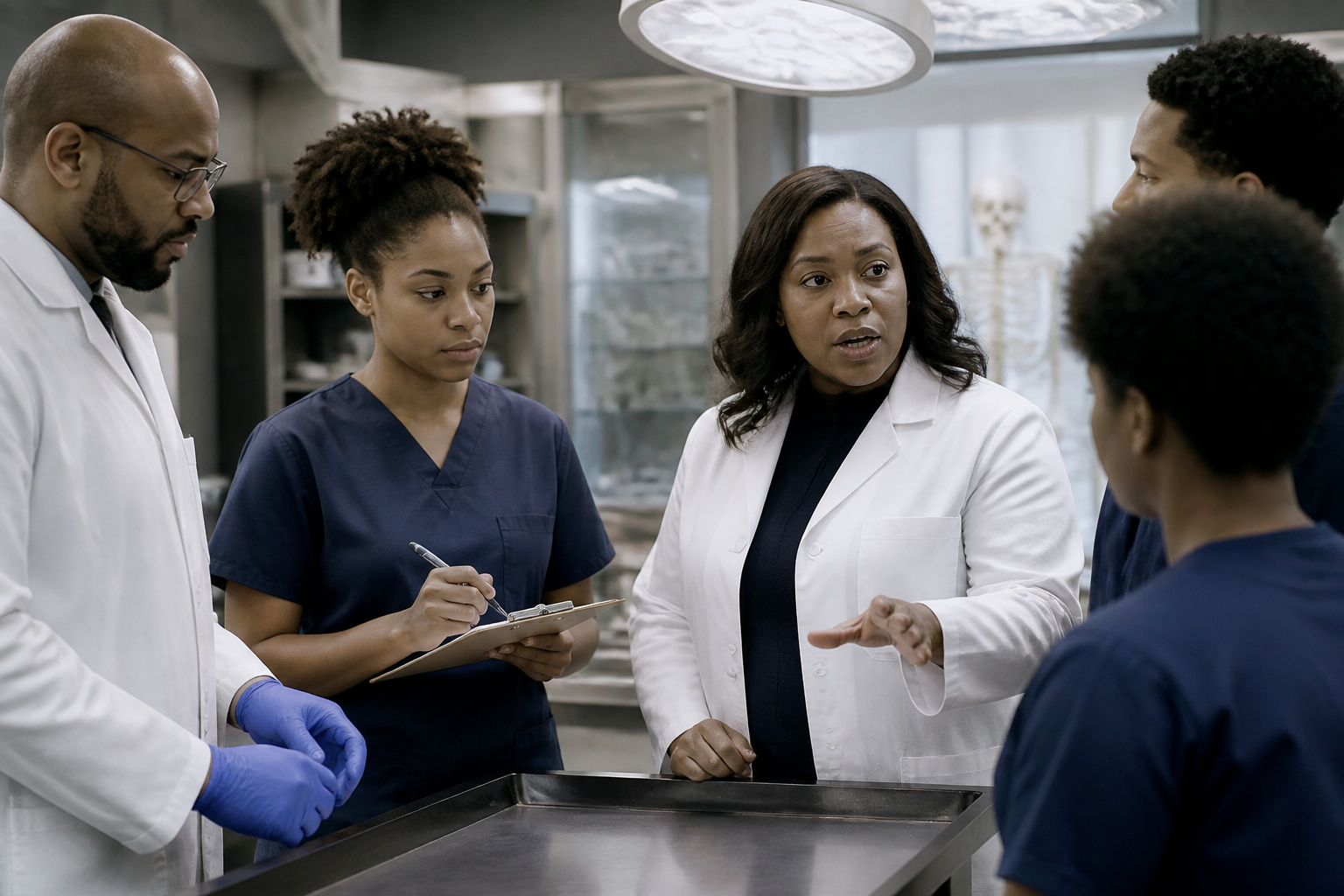
The DeKalb County Medical Examiner’s Office has welcomed its inaugural forensic pathology fellow, marking a major milestone in a groundbreaking pipeline program established alongside Morehouse School of Medicine. This historic initiative bridges local government and one of the nation's premier historically Black medical institutions to train the next generation of specialized medical examiners.
Through this structured fellowship, physician trainees receive advanced clinical instruction in death investigation, autopsies, and post-mortem analysis. By integrating fellowship training directly into a busy metro-area medical examiner's office, the program offers crucial hands-on experience while addressing critical labor shortages in the field of forensic medicine.
Closing the Diversity Gap in Forensic Medicine
Forensic pathology remains one of the least diverse subspecialties within the broader medical workforce. Across the United States, Black physicians represent a small fraction of practicing medical examiners, creating a stark imbalance in a field responsible for delivering objective, science-based answers to families and the judicial system.
By partnering with Morehouse School of Medicine, the DeKalb County facility establishes an intentional pathway to recruit and retain underrepresented doctors. Expanding opportunities for Black physicians in specialized medical disciplines ensures that community death investigations are handled with cultural competence, rigor, and public trust.
A Scalable Model for Workforce Expansion
The fellowship serves as a replicable strategy for other municipal agencies seeking to diversify their medical staff and build sustainable talent pipelines. Public health officials and academic leaders emphasize that early exposure to forensic pathology is essential for encouraging resident physicians to pursue board certification in the field.
As the inaugural fellow begins training, the partnership reinforces the vital role HBCUs play in expanding the physician workforce beyond primary care. By extending academic expertise into specialized public safety and diagnostic spaces, HBCUs continue to lead systemic change across every corner of American healthcare.