Healthy Aging
Emma Heming Willis Advocates for National Dementia Care Legislation
Emma Heming Willis is championing federal legislation for neurodegenerative care, shedding light on a health crisis that disproportionately affects Black Americans.
Published August 8, 2026 · HealthHBCU Newsroom
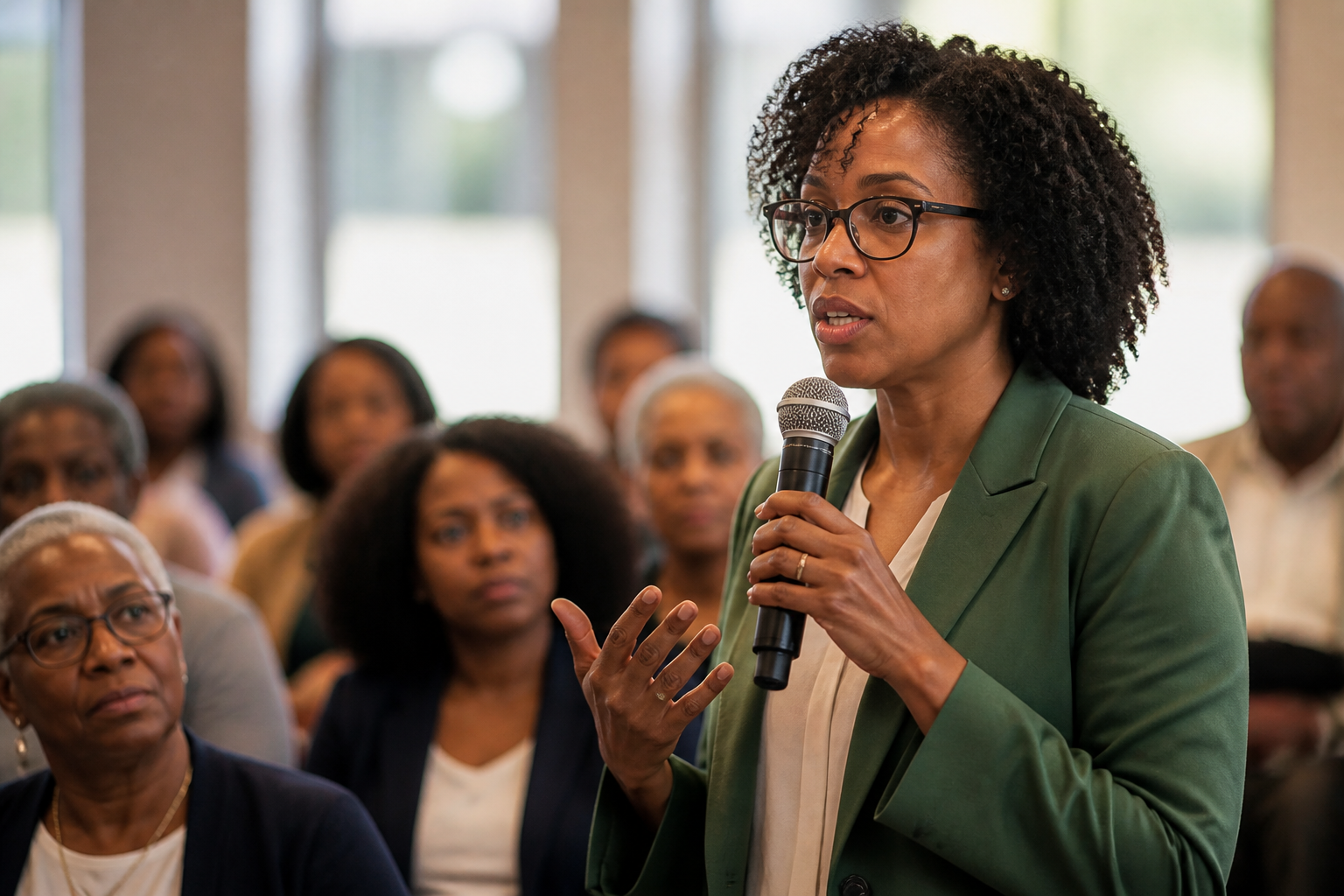
Emma Heming Willis, wife of actor Bruce Willis, is bringing national attention to legislative efforts aimed at improving dementia care, supporting family caregivers, and advancing neurodegenerative disease research across the United States. Following Bruce Willis’s diagnosis of frontotemporal dementia (FTD), Heming Willis has taken on a prominent advocacy role, using her platform to urge lawmakers to pass crucial federal legislation focused on Alzheimer's disease and related dementias.
The advocate’s public push highlights a growing national conversation around the escalating crisis of cognitive disorders. For family members caring for loved ones with progressive neurological conditions, legislative reform offers a path toward better resources, early diagnostic tools, and structured support networks that can ease the profound physical and emotional demands of caregiving.
Dementia's Disproportionate Impact on Black Families
While high-profile advocacy brings vital public attention to neurodegenerative conditions, dementia remains a health issue that hits Black American families particularly hard. Black older adults are approximately twice as likely to develop Alzheimer’s disease and other forms of dementia compared to their white counterparts. Despite this heightened risk, Black patients are significantly less likely to receive a timely, accurate diagnosis, often missing out on early interventions and clinical trial opportunities.
The stark disparity in dementia rates is tied to a combination of higher rates of cardiovascular risk factors—such as hypertension and diabetes—and systemic inequities in healthcare access. For many Black families, the burden of caregiving falls entirely on relatives who must navigate complex, fragmented medical systems without adequate public health support, financial relief, or culturally responsive resources.
The Role of HBCU Medicine in Brain Health Equity
Addressing the disproportionate toll of dementia in Black communities requires a multi-pronged approach that pairs legislative action with pipeline investment in diverse medical professionals. Historically Black Colleges and Universities (HBCUs) play a pivotal role in training the next generation of Black neurologists, geriatricians, and public health researchers who are uniquely equipped to address disparities in brain health.
Institutions like Howard University College of Medicine, Meharry Medical College, and Morehouse School of Medicine continue to lead research into health equity, clinical trial diversity, and community-based care models. Increasing the representation of Black physicians in neurology and geriatrics ensures that patients receive culturally competent care and that research protocols actively include populations most affected by cognitive decline.
As public figures and advocates press Congress for stronger dementia legislation, closing the equity gap in neurodegenerative health will remain essential to ensuring that federal resources, research breakthroughs, and caregiving supports reach the communities that need them most.