Black Health
Historical Echoes: How the Great Depression Shaped Black Public Health and Resiliency
A historical look at how economic hardship and structural inequality impacted public health in Black communities during the 1930s.
Published August 7, 2026 · HealthHBCU Newsroom
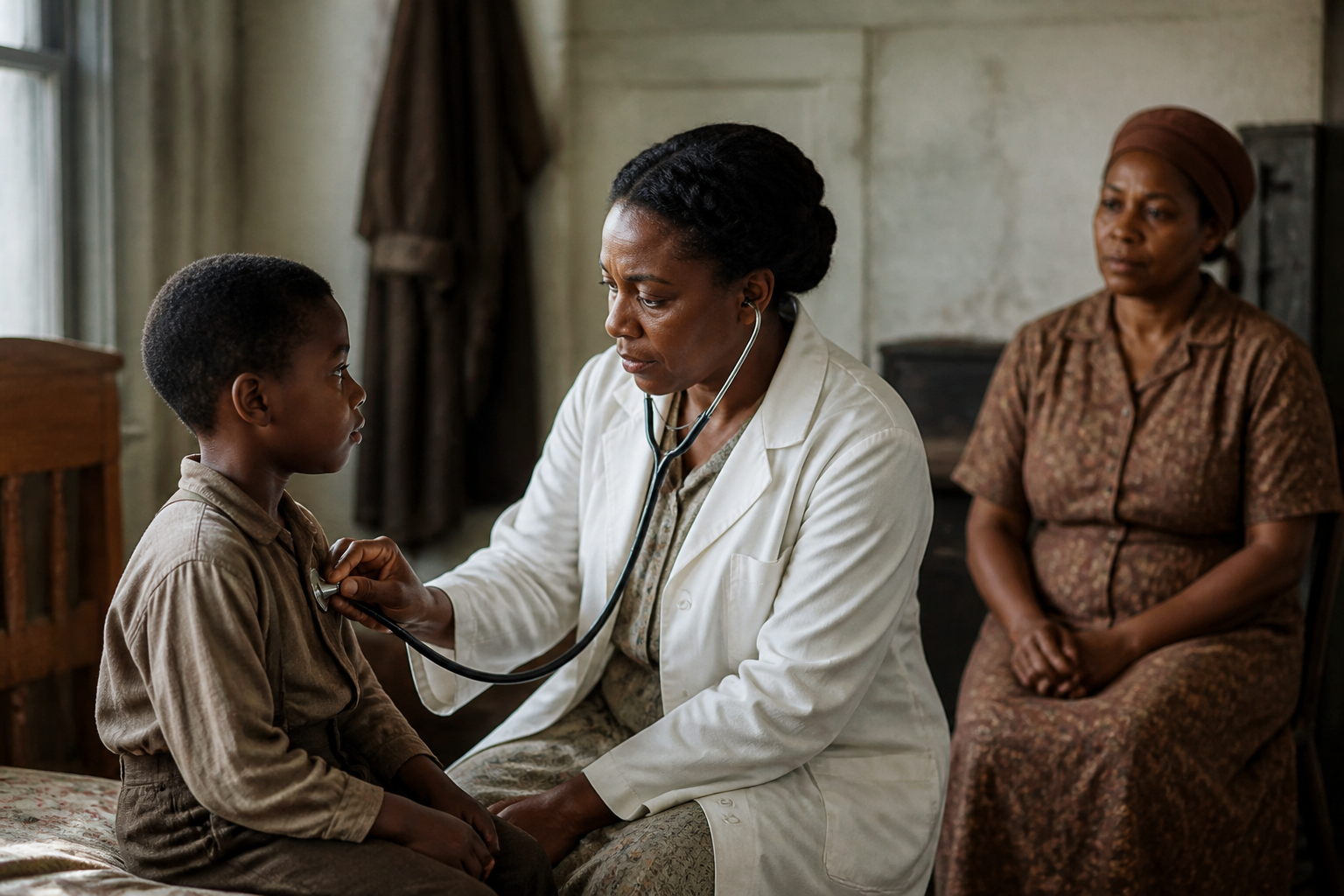
The economic collapse of the Great Depression swept across the United States in the 1930s, leaving devastating social and economic impacts in its wake. For African Americans, this crisis intensified long-standing racial inequalities, severely harming public health, living conditions, and access to basic medical care. Understanding this historical era offers crucial insight into the structural barriers that have shaped health outcomes in Black communities for generations.
During this period, Black workers faced disproportionately high unemployment rates and widespread displacement from agricultural and industrial labor. As families lost their livelihoods, severe poverty spread rapidly through urban neighborhoods and rural regions alike. This economic vulnerability directly translated into acute health crises, as access to nutritious food, adequate housing, and necessary healthcare became increasingly scarce for millions of Black Americans.
Worsening Social Determinants and Health Disparities
The collapse of local economies drastically altered the social determinants of health for the Black population. Malnutrition became widespread, lowering immune resistance and accelerating the spread of infectious diseases such as tuberculosis. In overcrowded urban tenements and impoverished rural settlements, inadequate sanitation and a lack of clean running water further worsened public health conditions.
Compounding these environmental hazards was a profoundly segregated healthcare system. Many hospitals refused to admit Black patients or confined them to underfunded, poorly equipped basements. Black physicians, nurses, and healthcare practitioners worked tirelessly under immense financial strain to treat their communities, but the sheer volume of need routinely overwhelmed available medical resources.
The New Deal and the Path toward Professional Opportunity
The implementation of New Deal programs brought complex and mixed results for Black communities. While early federal relief efforts were frequently managed by local administrators who enforced discriminatory practices, persistent advocacy by civil rights leaders and Black professionals gradually secured greater inclusion in federal assistance programs. Public works initiatives eventually funded the construction and renovation of community infrastructure, including public health facilities and municipal sanitation systems.
Crucially, this turbulent era reinforced the necessity of self-reliant institutions. Historically Black Colleges and Universities and Black medical schools intensified their efforts to train the next generation of healthcare professionals. By expanding education in medicine, nursing, and public health, these institutions created a vital lifeline for marginalized populations during a time of national catastrophe.
The legacy of the Great Depression underscores the deep connection between economic equity and public health. Modern efforts to reduce health disparities continue to draw on the lessons of this era, highlighting the ongoing imperative to expand diversity in the healthcare workforce and invest in community-centered care.