Sickle Cell
Honoring Juneteenth and World Sickle Cell Day Through Action and Advocacy
The dual observance highlights the ongoing fight for health justice and the vital need for Black blood donors to support individuals living with sickle cell disease.
Published August 8, 2026 · HealthHBCU Newsroom
June 19 marks a profound convergence of historical memory and public health urgency. As the nation observes Juneteenth, celebrating the emancipation of enslaved African Americans, the global health community simultaneously recognizes World Sickle Cell Day. This overlapping calendar serves as a powerful reminder of the ongoing struggle for equity, health justice, and the systemic barriers that continue to impact Black Americans.
Sickle cell disease is an inherited blood disorder that primarily affects people of African descent, causing red blood cells to become hard, sticky, and shaped like C-shaped farm tools. These malformed cells can block blood flow through small vessels, leading to excruciating pain episodes, severe organ damage, strokes, and premature death. For millions of families, the fight against sickle cell disease is an intimate, daily reality that intersects directly with the broader movement for racial justice.
The Critical Role of Diverse Blood Donors
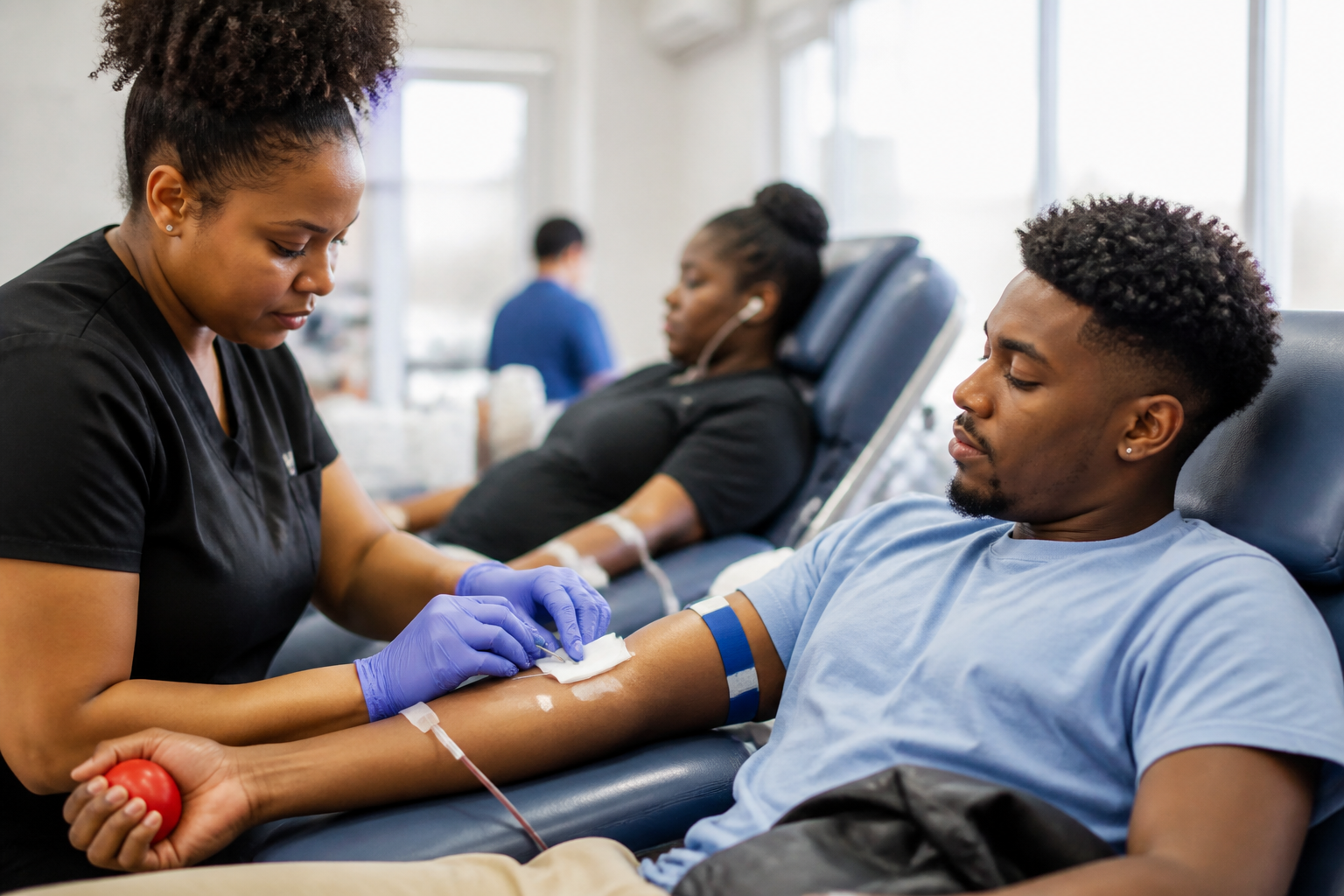
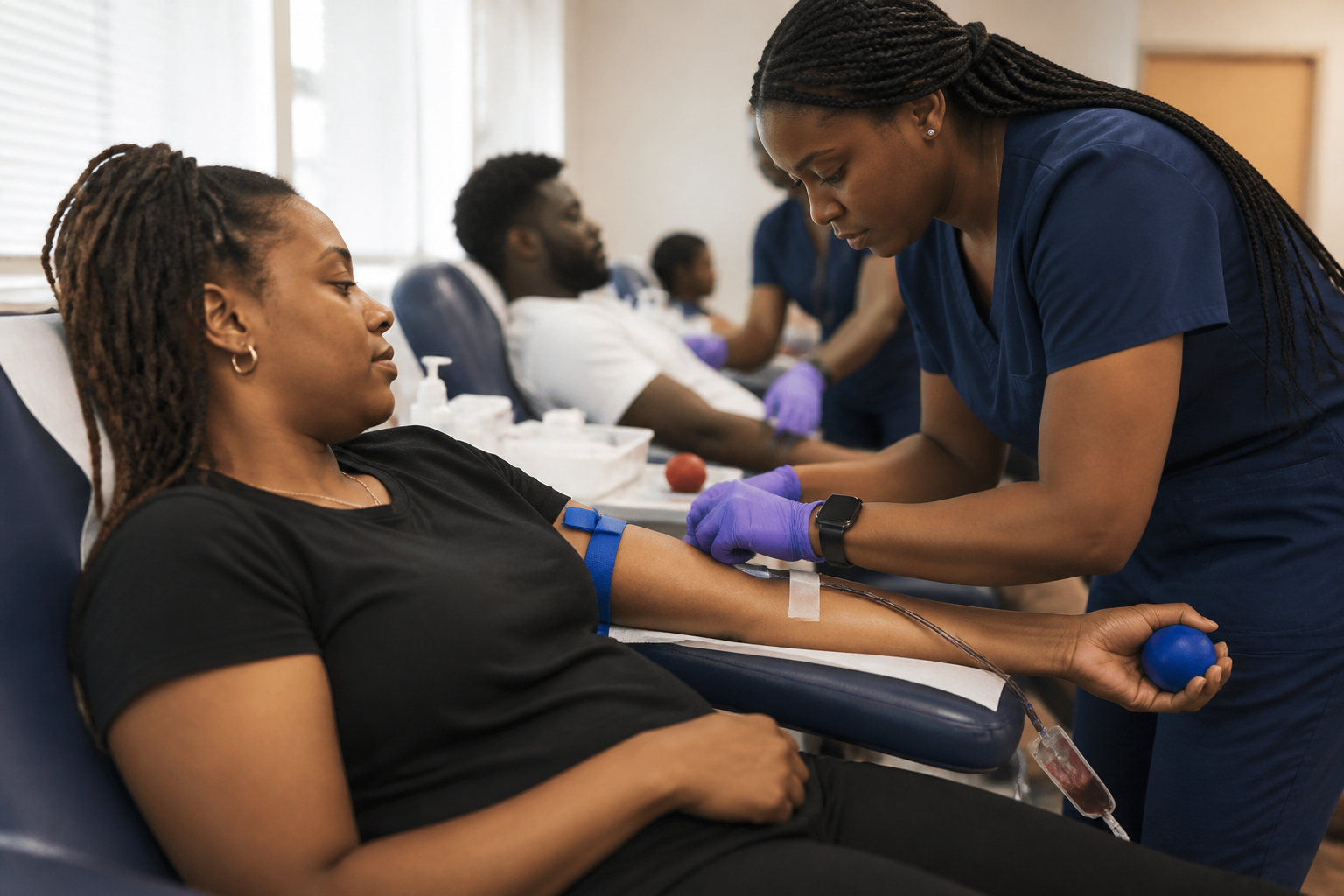
Managing sickle cell disease frequently requires regular blood transfusions to help prevent life-threatening complications like strokes and severe anemia. However, patients receiving frequent transfusions require blood matches that go far beyond basic blood types. To minimize adverse immune reactions and antibody development, sickle cell patients need closely matched blood that often comes from donors of the same racial and ethnic background.
Despite this critical need, blood collection organizations face a persistent shortage of diverse blood donors. Expanding the pool of Black blood donors is vital to ensuring that individuals living with sickle cell disease have access to the safest possible treatments. Increasing community awareness, building institutional trust, and hosting convenient blood drives are essential steps toward meeting this constant demand.
Mobilizing HBCUs for Health Equity
Historically Black Colleges and Universities (HBCUs) occupy a unique and vital position at the intersection of cultural celebration and health advocacy. As trusted institutions rooted in service and leadership, HBCU campuses serve as key hubs for mobilizing young, healthy donors and cultivating future healthcare leaders who understand the nuances of health disparities.
By hosting campus blood drives and educating student bodies about sickle cell disease, HBCUs actively bridge the gap between historical heritage and practical community care. Furthermore, training the next generation of Black physicians, nurses, and medical researchers at institutions like Meharry Medical College, Howard University College of Medicine, and Morehouse School of Medicine is crucial to elevating sickle cell research and ensuring compassionate, unbiased clinical care. Honoring Juneteenth and World Sickle Cell Day together reinforces the imperative to reclaim health, advocate for equitable resources, and support the well-being of Black communities.