Mental Health
Illinois Governor Defends Mental Health Service Reforms Amid Local Protests
Illinois Governor J.B. Pritzker defends proposed mental health system adjustments despite local protests, underscoring the ongoing struggle for equitable behavioral healthcare access.
Published August 7, 2026 · HealthHBCU Newsroom
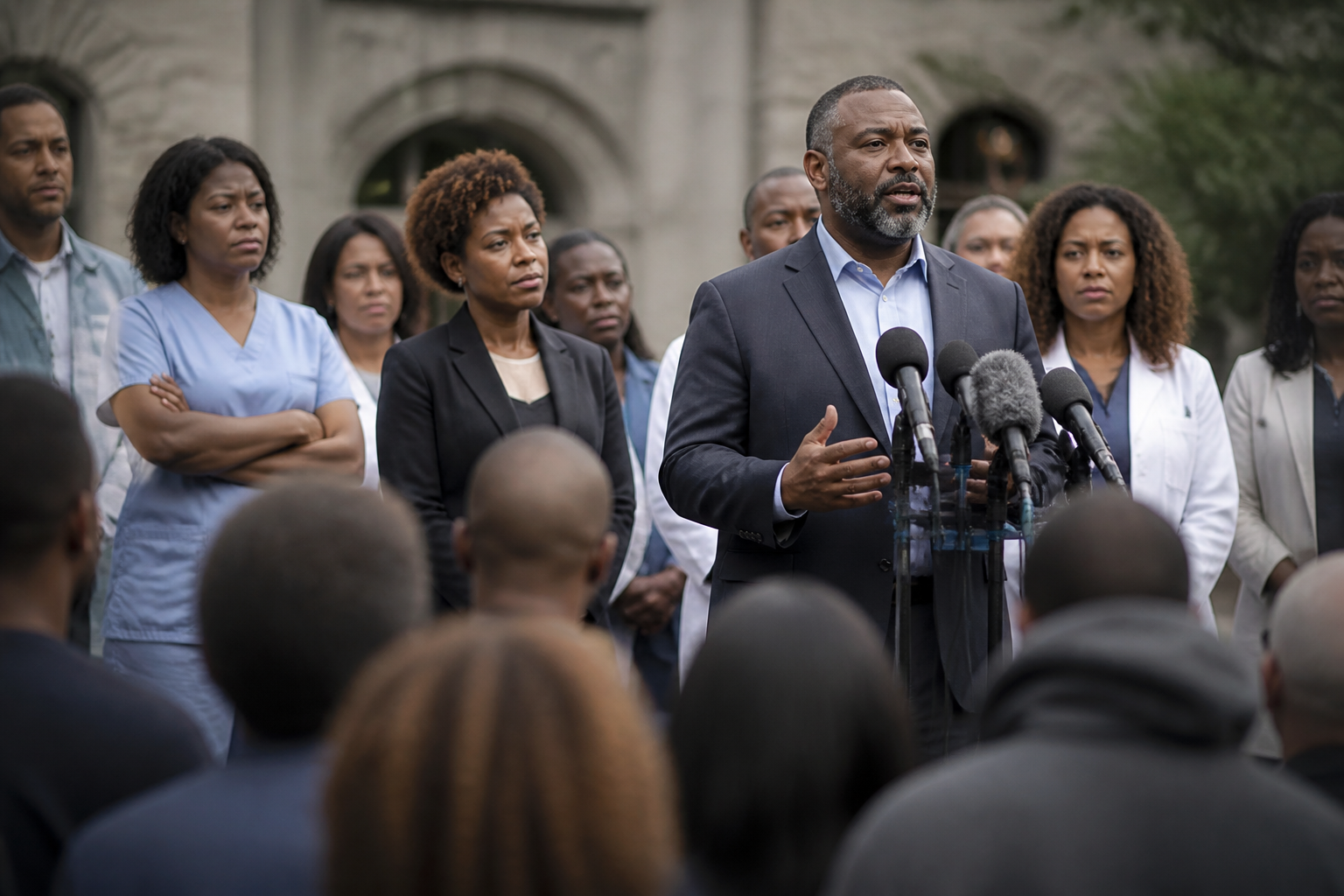
In response to widespread community demonstrations and growing unease among residents, Illinois Governor J.B. Pritzker is publicly standing behind a series of proposed modifications to the state’s mental health service network. Local advocates and residents have taken to the streets to express concern that the adjustments could disrupt care, diminish critical localized support, and disproportionately impact vulnerable populations who already face steep hurdles when seeking clinical care.
The governor, however, maintains that the administrative shifts are designed to modernize system infrastructure and ultimately improve service delivery across Illinois. As state officials and community members clash over the restructuring, the dispute highlights a broader national reality: marginalized urban neighborhoods continue to struggle with equitable access to reliable, culturally competent mental healthcare.
Community Concerns Over Care Access
Protesters and local health organizers argue that altering established mental health programs risks creating gaps in treatment for individuals navigating chronic psychological conditions, trauma, and acute distress. In many Black communities, trusted neighborhood clinics and localized health programs serve as vital lifelines, offering accessible counseling and crisis intervention where specialized services are otherwise scarce.
Advocates contend that top-down adjustments often lead to service consolidation or administrative delays, which can deter individuals from seeking timely care. For Black families dealing with systemic health disparities, any potential reduction in immediate, local mental health resources poses a significant threat to community stability and overall well-being.
The Role of Black Mental Health Professionals
The debate in Illinois underscores the urgent necessity for structural equity in behavioral healthcare, particularly regarding representation and localized investment. Historically Black Colleges and Universities (HBCUs) have long led the effort to address these systemic shortfalls by training Black psychologists, psychiatrists, social workers, and behavioral health specialists who understand the social determinants affecting urban and rural Black populations.
Increasing the pipeline of Black mental health professionals is vital to ensuring that public health policy translates into effective, empathetic care on the ground. When states reconfigure their public healthcare frameworks, input from diverse medical leaders and HBCU-trained specialists becomes essential to designing systems that protect vulnerable residents rather than leaving them behind.
Moving Toward Sustainable Solutions
As state leadership continues to defend its policy trajectory, community advocates emphasize that true progress requires ongoing dialogue and transparent oversight. Protecting access to mental health services is not merely a budgetary or administrative decision; it is a fundamental public health necessity. Ensuring that local clinics remain funded, accessible, and staffed by culturally competent providers remains crucial to safeguarding the health and resilience of Illinois communities.