Maternal Health
Merck and Mae Partner to Expand Doula Workforce and Address Maternal Health Disparities
A new partnership between Merck for Mothers and digital health platform Mae aims to train and deploy more community doulas to combat maternal mortality disparities.
Published August 7, 2026 · HealthHBCU Newsroom

A new corporate-tech partnership aims to tackle the nation's maternal health crisis by significantly increasing the number of trained doulas in underserved communities. Pharmaceutical leader Merck, through its Merck for Mothers initiative, has partnered with digital maternal health platform Mae to expand doula training, certification, and deployment across high-risk regions in the United States.
The collaboration focuses on scaling access to culturally congruent care, particularly for Black mothers and birthing people who face disproportionately high rates of maternal mortality and morbidity. By combining Merck's long-standing philanthropy in maternal health with Mae’s tech-enabled care model, the program seeks to bridge critical gaps in pre- and postnatal support.
Expanding the Frontline Maternal Care Workforce
Central to the initiative is a structured effort to build a sustainable pipeline of community doulas. Doulas provide non-medical physical, emotional, and informational support during pregnancy, labor, and the postpartum period. While research consistently demonstrates that doula care improves birth outcomes and reduces medical interventions, severe workforce shortages and financial barriers have historically limited access to these services in vulnerable communities.
The partnership will fund localized workforce development initiatives, helping candidates complete training and state certification processes. By lowering entry barriers for aspiring birth workers, the initiative seeks to create economic opportunities while simultaneously diversifying and expanding the perinatal healthcare workforce.
Integrating Digital Tools with Culturally Congruent Care
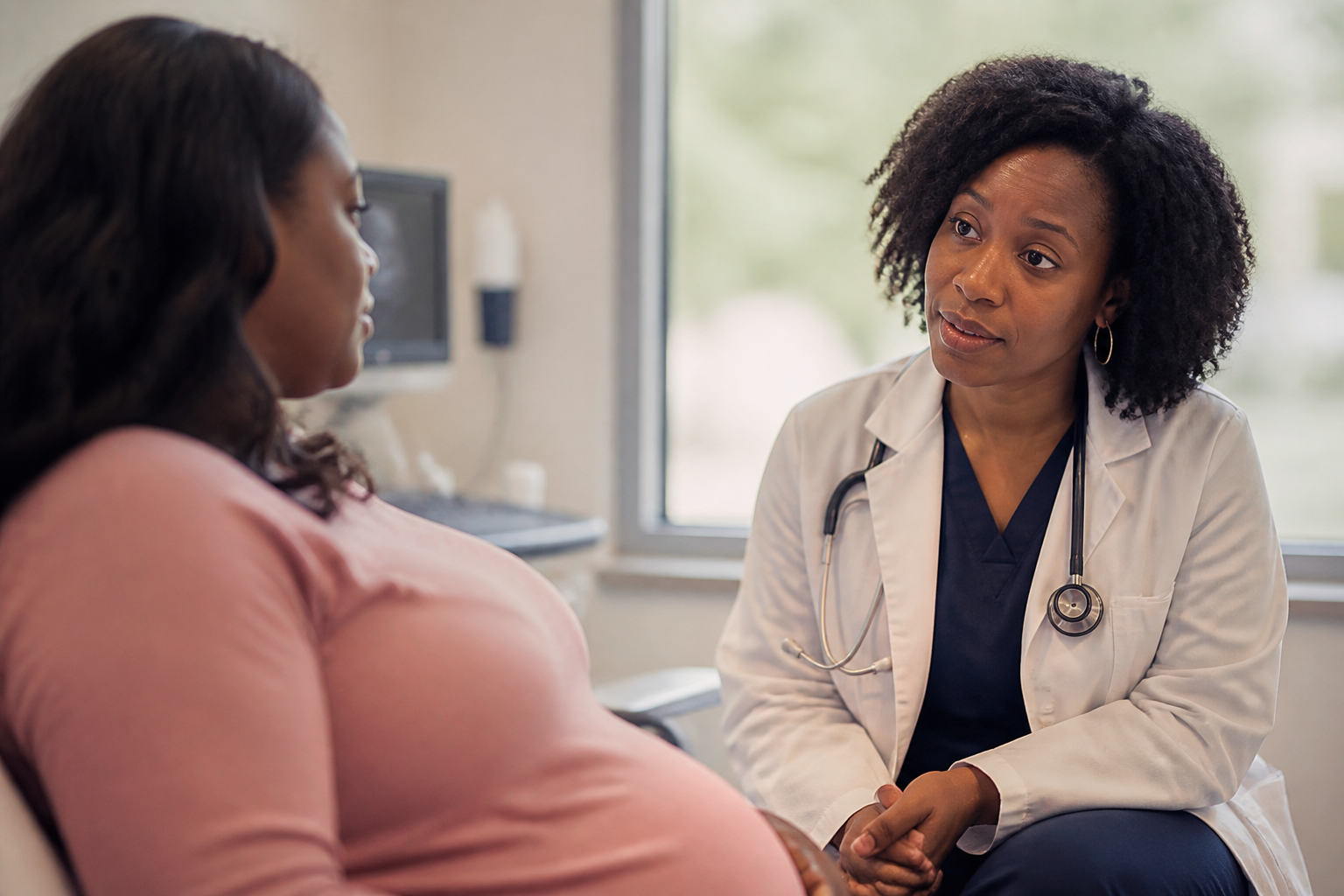
Mae’s platform integrates digital health tracking with personalized support from culturally aligned doulas. By establishing direct connections between expectant mothers and birth workers who share similar lived experiences, the program aims to foster trust and facilitate early interventions for potential health complications.
The venture prioritizes high-risk metropolitan areas where racial disparities in maternal outcomes are most pronounced. Through real-time symptom tracking and localized care navigation, the platform helps ensure mothers receive timely clinical interventions alongside continuous emotional and educational advocacy throughout their pregnancy journey.
Addressing Systematic Disparities in Birth Outcomes
Black women in the United States remain three times more likely to die from pregnancy-related causes than their white counterparts, a disparity largely driven by systemic inequities, implicit bias in clinical settings, and unequal access to quality healthcare. Elevating community-based workforce models is increasingly recognized by public health experts as a essential mechanism for reversing these trends.
By formalizing pathways for doula deployment and integrating non-traditional care providers into broader maternal healthcare networks, the effort marks a practical step toward systemic reform. Expanding trained healthcare professionals at the grassroots level serves to fortify the support systems vital for protecting Black mothers and infants.