HIV & Sexual Health
Promoting Comprehensive Wellness and Health Equity for the Next Generation of Female Athletes
Supporting the long-term well-being of young Black female athletes requires comprehensive healthcare, preventive education, and strong representation in sports medicine.
Published August 8, 2026 · HealthHBCU Newsroom
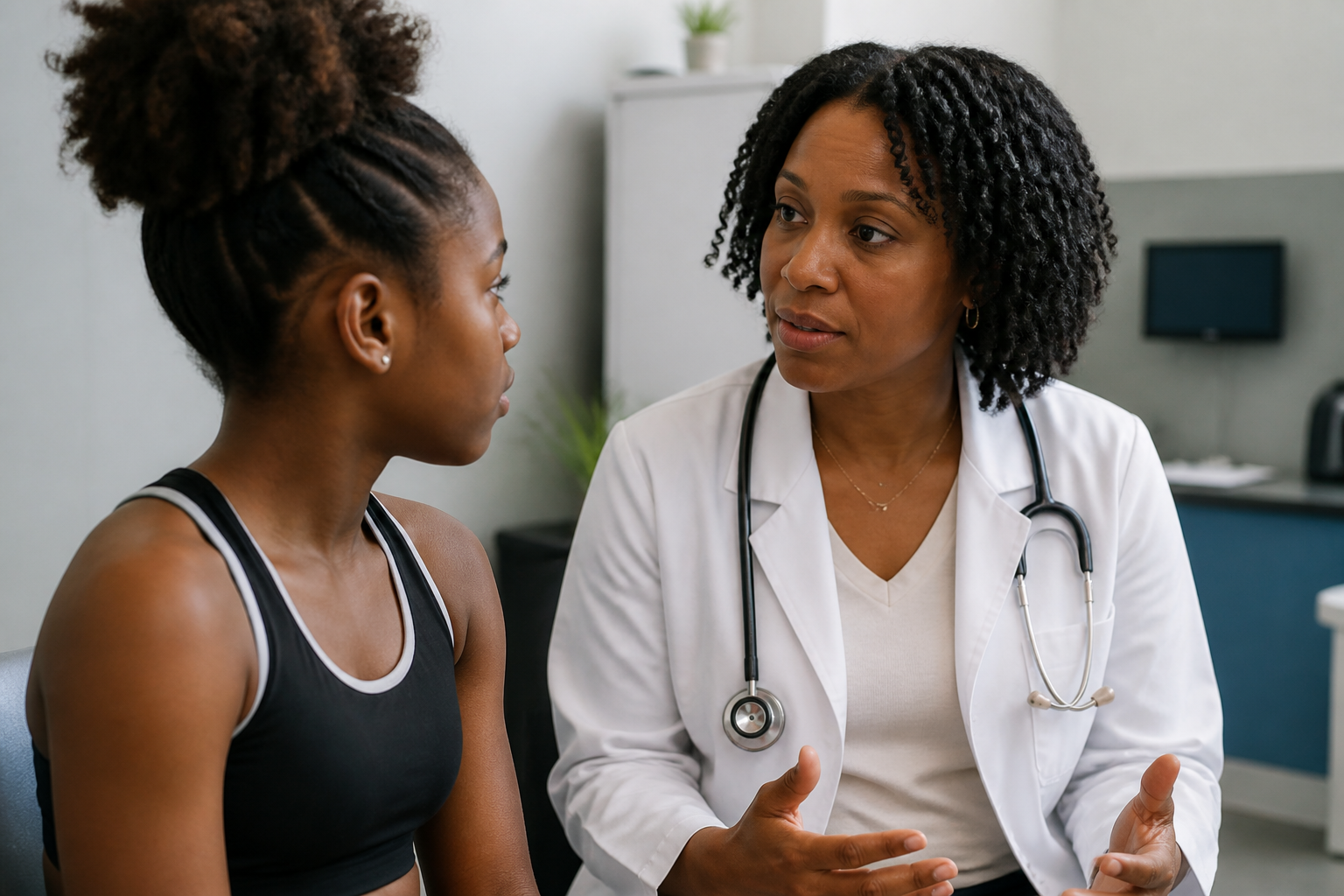
The recent broadcast listing for the under-18 female prep hockey matchup between Delta Black and North Shore highlights the growing presence of young women in high-performance sports. While elite athletic events showcase remarkable dedication and physical conditioning, they also serve as a reminder of the broad wellness needs of active youth, particularly young Black women navigating high-school and pre-collegiate athletics.
Participation in competitive sports provides vital physical, mental, and social benefits. However, ensuring long-term athletic success requires comprehensive health strategies that extend beyond standard physical training to encompass reproductive wellness, preventive health screenings, and holistic self-care.
Supporting Young Athletes Beyond the Field
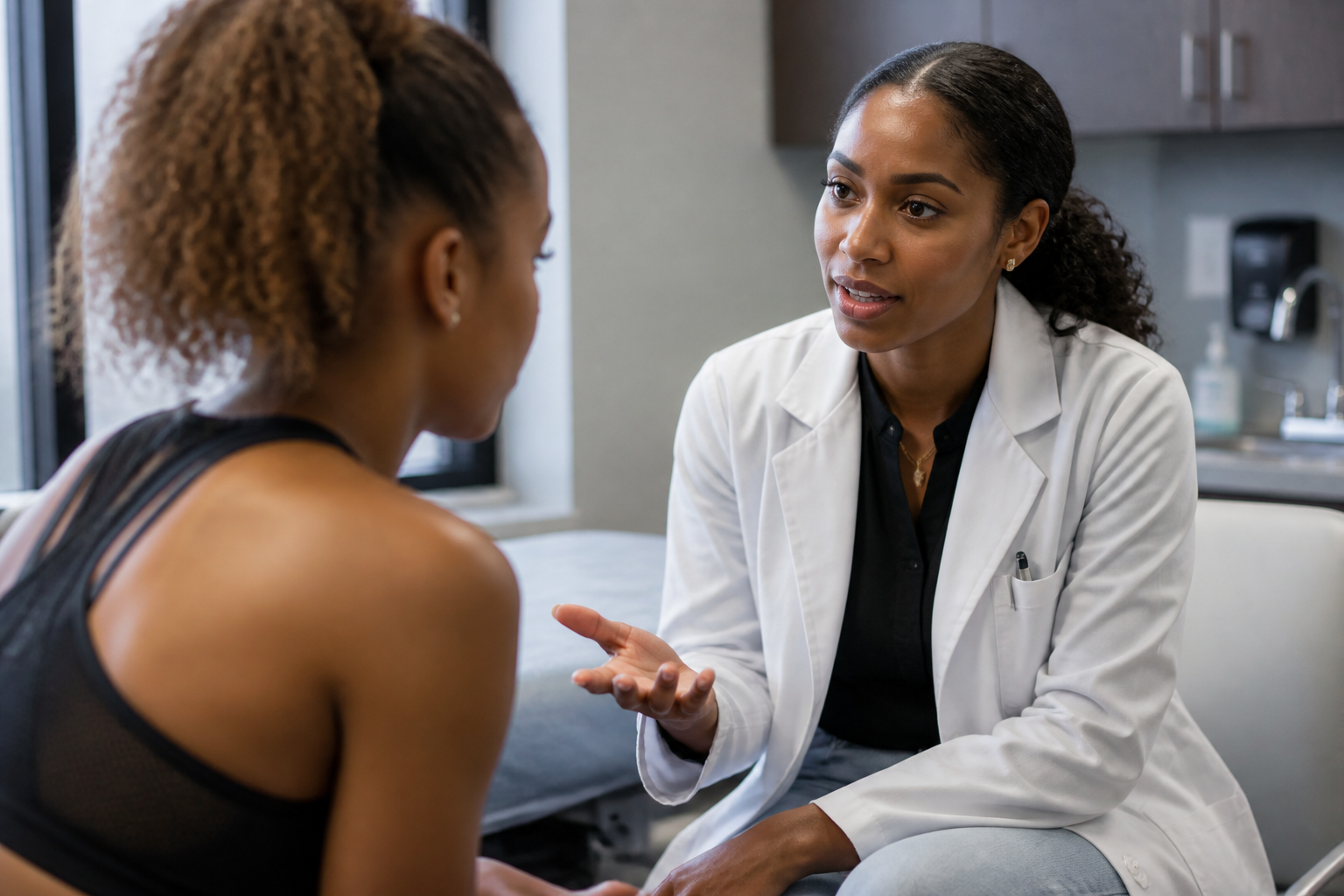
For student-athletes, health and performance are deeply intertwined. Maintaining peak physical condition requires accessible healthcare, regular medical evaluations, and education on preventive wellness. For young Black women entering competitive athletic environments, culturally competent healthcare providers play a critical role in addressing unique health considerations and ensuring long-term well-being.
Establishing strong habits around preventive health during high school creates a foundation for lifelong wellness. This includes routinely managing physical health, prioritizing mental well-being under high-pressure competitive settings, and accessing comprehensive reproductive healthcare education.
Building the Pipeline for Diverse Health Leadership
As young athletes progress through prep leagues and aim for collegiate opportunities, the demand for healthcare professionals who understand their specific needs becomes increasingly apparent. Historically Black Colleges and Universities (HBCUs) remain central to training the next generation of Black doctors, athletic trainers, sports medicine specialists, and public health advocates.
By fostering a diverse healthcare workforce, HBCU medical and health programs ensure that emerging athletes receive empathetic, high-quality care. Expanding representation among team physicians, physical therapists, and wellness educators directly contributes to better health outcomes and longer, healthier careers for young Black women in sports.
Prioritizing Preventive Care and Sexual Health
Comprehensive wellness for young adults also involves open, informed conversations regarding sexual health and preventive care. Access to age-appropriate health education, routine screenings, and trusted medical guidance empowers young individuals to make informed decisions about their bodies as they transition into collegiate life and adulthood.
Integrating complete health awareness—spanning sports medicine, sexual health, and mental wellness—ensures that student-athletes are equipped to thrive both on the ice and throughout their lives. Encouraging strong relationships between young people and healthcare professionals remains one of the most effective ways to promote equity and long-term health in Black communities.