Maternal Health
South Florida Nonprofit Deploys Mobile Clinic to Combat Black Maternal Health Disparities
A South Florida organization is providing free prenatal care and advocacy via a mobile clinic to tackle racial disparities in maternal mortality.
Published September 1, 2026 · HealthHBCU Newsroom
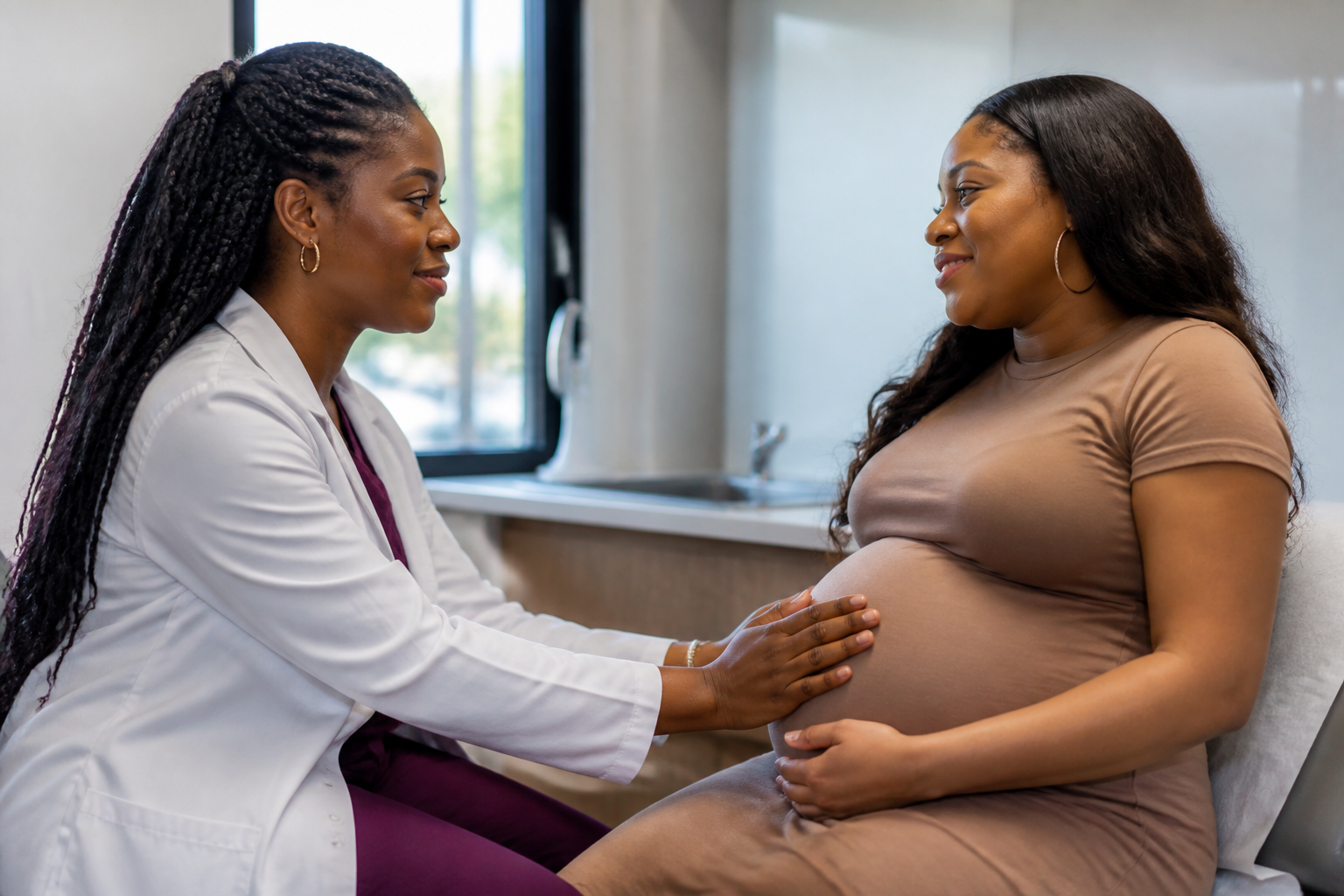
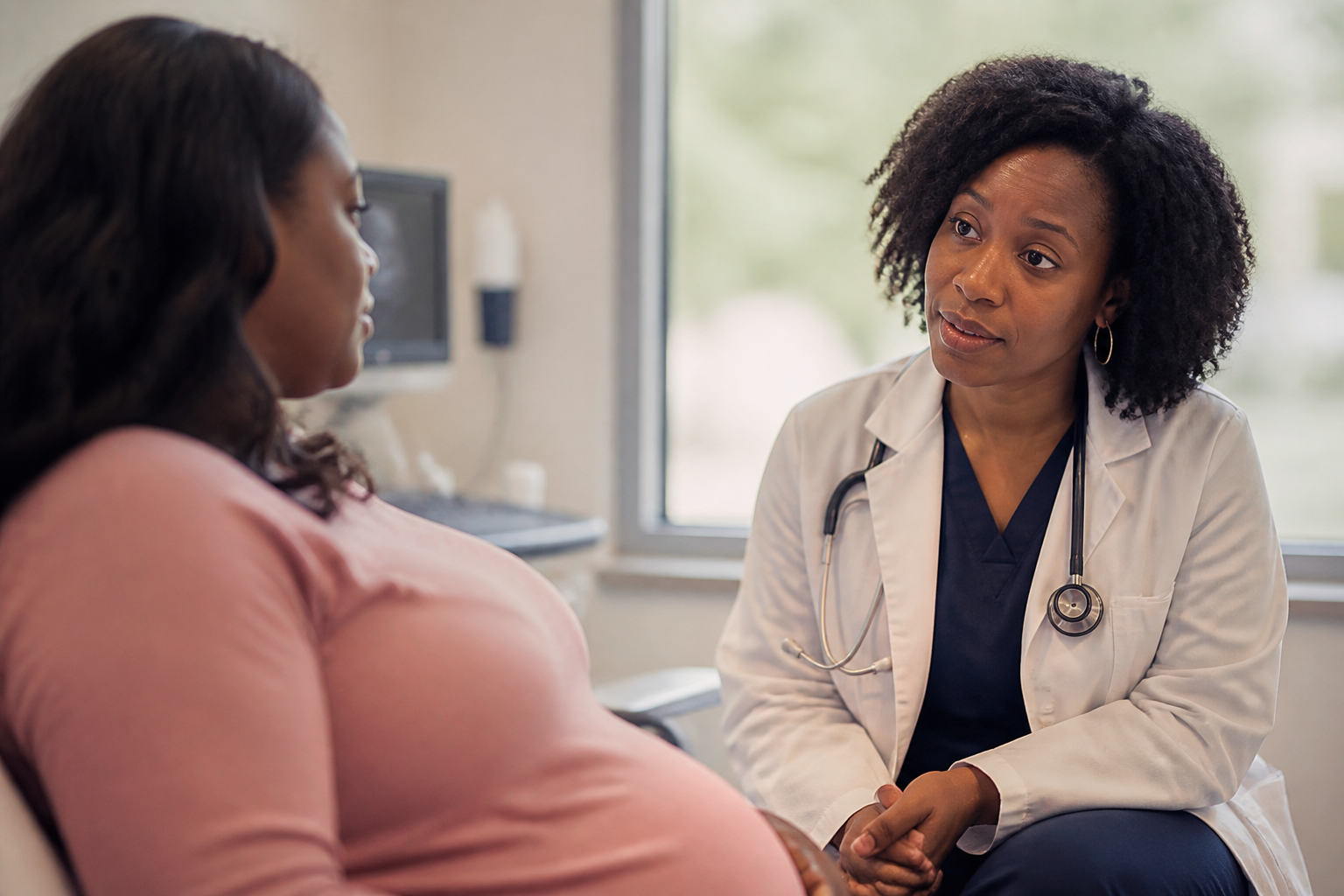
A South Florida nonprofit organization is taking direct action against systemic racial disparities in reproductive healthcare by bringing free, comprehensive maternal care directly to underserved neighborhoods through a mobile clinical unit. The grassroots initiative combines direct clinical services with community-based advocacy to address the elevated rates of pregnancy-related complications and mortality that disproportionately affect Black mothers.
By removing geographic, logistical, and financial obstacles to prenatal and postpartum care, the organization aims to bridge critical gaps in the regional healthcare safety net. The mobile unit travels into historically under-resourced communities, providing essential health screenings, prenatal checkups, educational resources, and referrals to specialized care.
Addressing Structural Disparities in Black Maternal Health
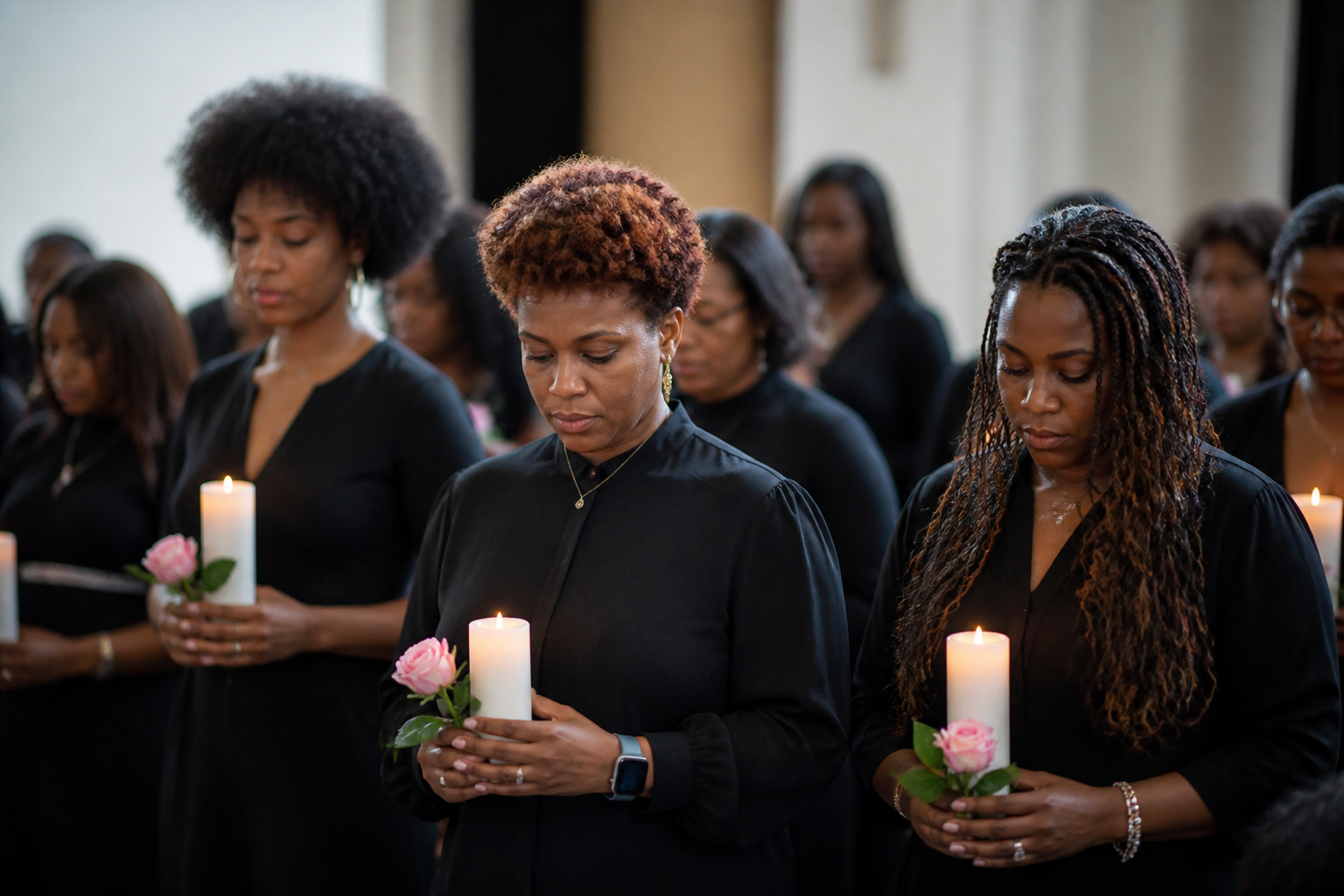
The South Florida initiative highlights a persistent national crisis. Across the United States, Black women face significantly higher risks of pregnancy-related mortality and severe morbidity compared to their white peers, regardless of income or education level. These structural disparities stem from a complex mix of systemic barriers, unequal access to quality healthcare facilities, chronic stress, and implicit bias within clinical settings.
Mobile clinics serve as a pivotal intervention by meeting patients where they live. Beyond providing routine clinical measurements, the program's healthcare workers build trust within the community, help mothers navigate complex insurance and hospital systems, and ensure that patients receive continuous care throughout their pregnancy and postpartum recovery.
The Role of Culturally Competent Care and Workforce Diversity
Efforts to reform maternal healthcare increasingly center on community-led interventions and culturally competent care. Research consistently shows that patients experience better clinical outcomes and greater satisfaction when care is delivered by providers who understand their lived experiences and address their concerns with empathy and respect.
This reality underscores the urgent necessity of strengthening the pipeline of Black healthcare professionals. Historically Black Colleges and Universities produce a significant share of the nation’s Black physicians, nurses, and public health leaders. By equipping clinicians with deep ties to minority communities, HBCUs play an essential role in training the workforce required to staff mobile health units, lead community outreach, and eliminate maternal health inequities nationwide.
Expanding Community Advocacy and Policy Reform
In addition to direct medical care, the nonprofit integrates community advocacy into its core mission. By tracking local maternal health outcomes and magnifying the voices of impacted families, the organization pushes for broader institutional and policy changes within Florida's healthcare system.
Combining targeted medical outreach with systemic advocacy provides a sustainable blueprint for improving maternal health outcomes. As mobile units expand their reach across South Florida, organizers remain focused on ensuring that every mother, regardless of zip code or race, receives the safe, respectful, and high-quality care necessary for a healthy pregnancy and birth.