Sickle Cell
Streamlined Stem Cell Collection Offers New Hope for Sickle Cell Patients
A streamlined stem cell collection protocol developed by researchers could significantly reduce hospital stays and expand access to curative gene therapies for sickle cell patients.
Published September 1, 2026 · HealthHBCU Newsroom

Sickle cell disease has long placed an disproportionate physical, emotional, and financial strain on Black families, who make up the vast majority of individuals living with the inherited blood disorder in the United States. While recent breakthroughs in gene therapy offer the promise of a permanent cure, the grueling process of collecting enough healthy stem cells has remained a major barrier for many patients. Now, a pioneering clinical trial suggests that a streamlined collection method could make this life-changing treatment far more accessible.
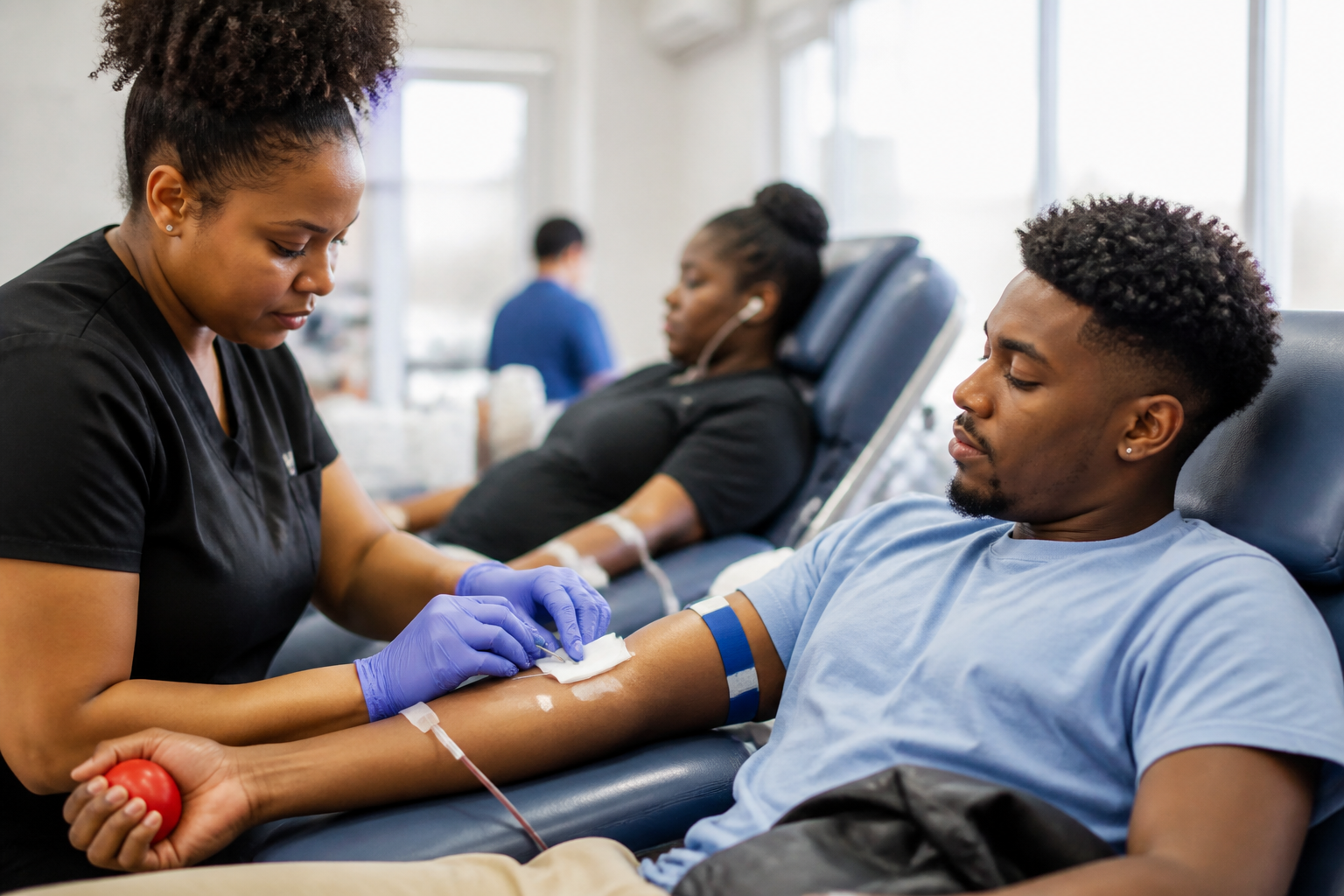
Researchers at Boston Children’s Hospital have published long-term follow-up results from a landmark phase I pilot trial in the journal Blood. Their findings demonstrate that a refined protocol allows clinicians to gather a sufficient amount of a patient’s stem cells in just a single hospital stay, dramatically shortening the timeline required to modify and reinfuse those cells.
Overcoming Barriers to Advanced Care
For individuals with sickle cell disease, traditional gene therapy preparation is often an agonizing, months-long ordeal. Patients frequently have to undergo multiple hospital admissions and stressful collection procedures just to yield enough stem cells for genetic alteration. This burdensome timeline often discourages eligible candidates from pursuing potentially curative therapies, exacerbating long-standing inequities in access to specialized care.
By successfully consolidating the stem cell harvesting phase into a single admission for most participants, the new approach minimizes hospital stays, reduces physical strain, and accelerates the entire therapeutic timeline. This improvement not only eases the emotional burden on patients and their caregivers, but it also streamlines clinical workflows, making gene therapy a more realistic option for a broader group of individuals.
Strengthening Care in Vulnerable Communities
The clinical advance comes at a critical juncture for health equity. Black patients facing complex chronic conditions like sickle cell disease frequently contend with systemic barriers, including limited access to specialized medical centers and historically lower rates of referral for advanced clinical trials. Streamlining intensive procedures is a crucial step toward lowering these structural hurdles and ensuring that medical innovations reach the communities that need them most.
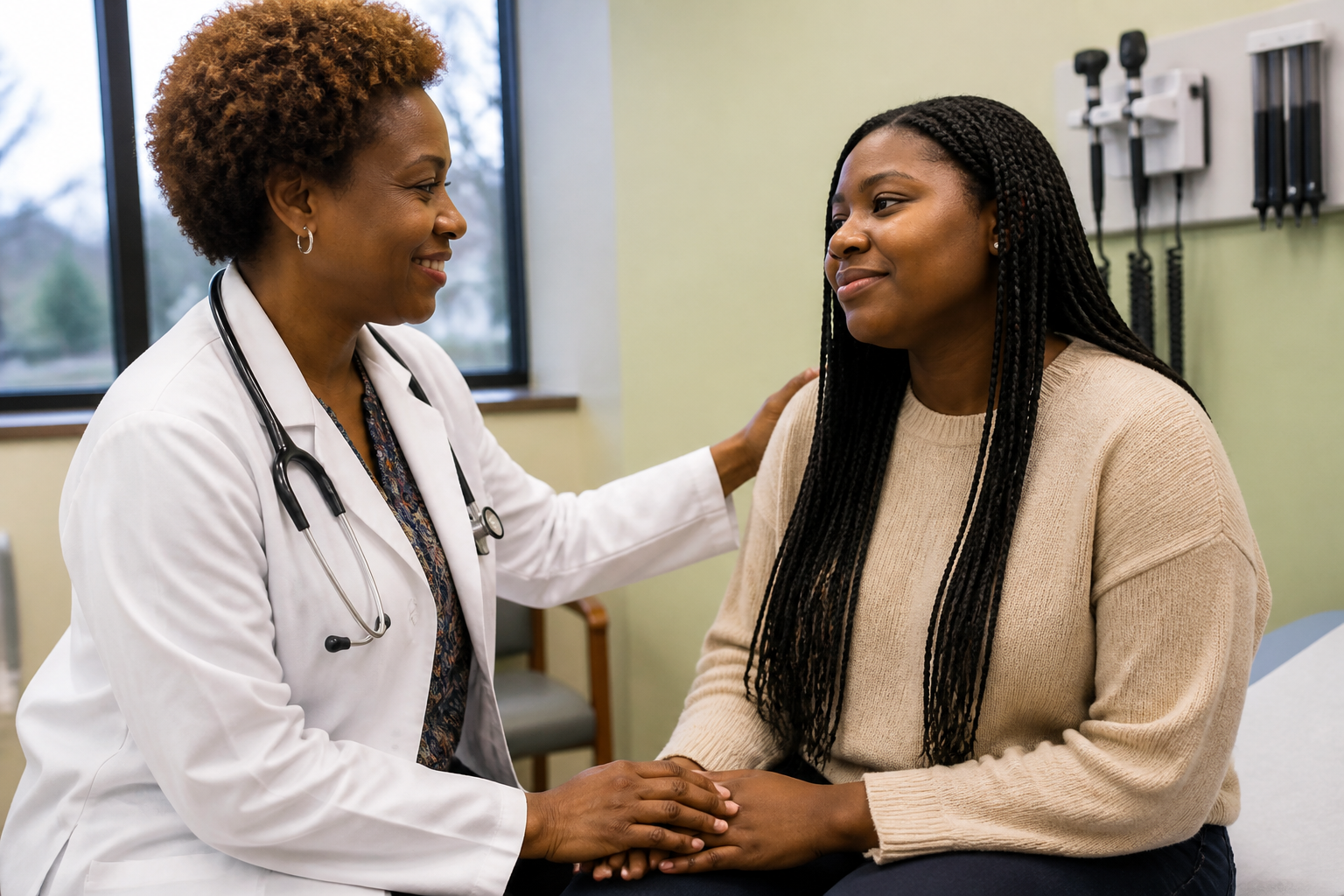
Closing these health disparities also highlights the vital role of Black medical professionals and HBCU-trained clinicians, who consistently lead the way in providing culturally competent, empathetic care for sickle cell patients. As cutting-edge gene therapies move closer to widespread clinical adoption, expanding the workforce of diverse hematologists and researchers will be essential to building trust and ensuring that groundbreaking treatments translate into equitable health outcomes for every community.