Black Health
Tackling Detroit's Health Disparities: How Local Leadership Targets Asthma, Maternal Outcomes, and Climate Risks
Detroit's public health strategy targets the systemic intersection of environmental hazards, high asthma rates, and maternal health disparities in Black communities.
Published August 7, 2026 · HealthHBCU Newsroom
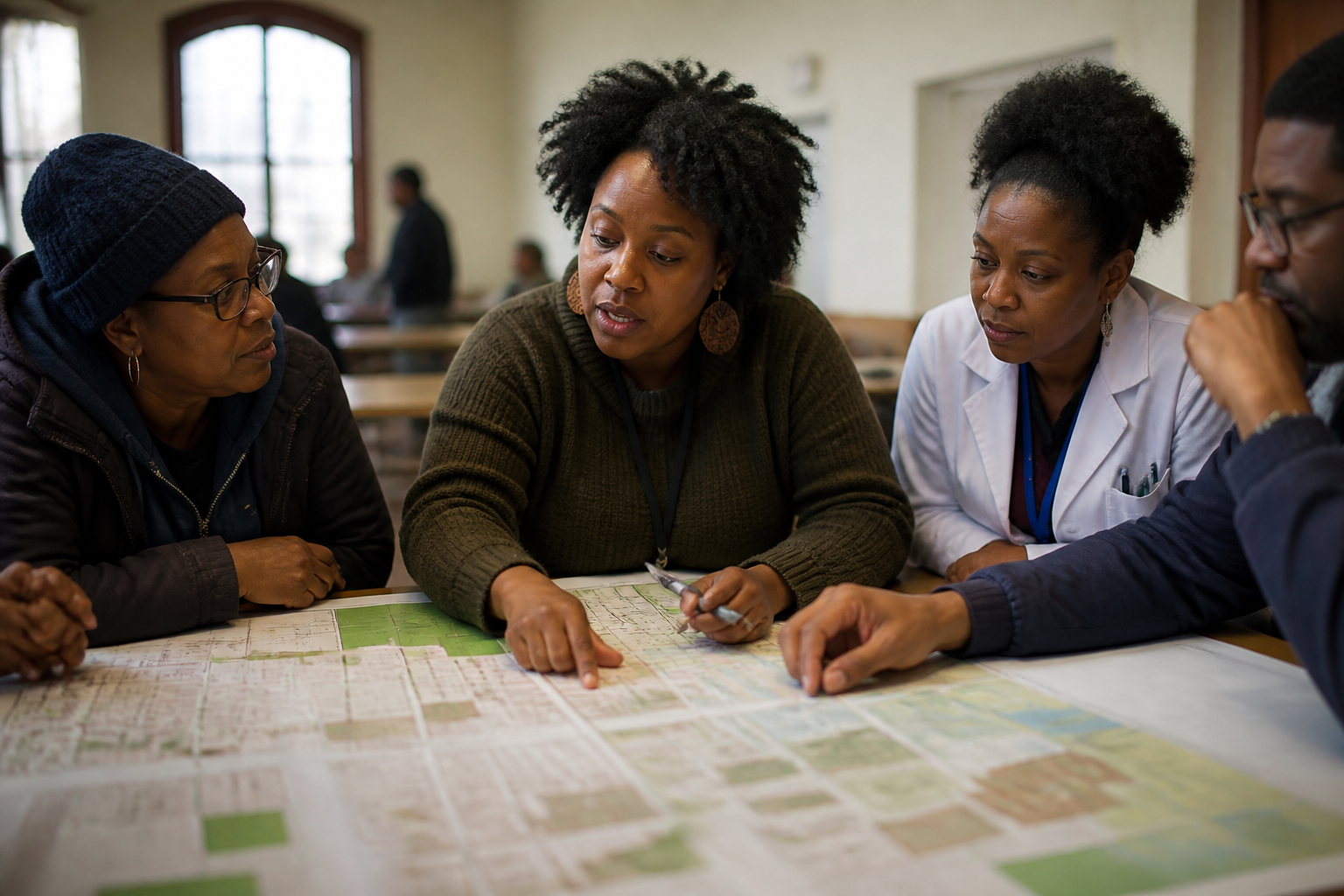
Addressing long-standing health disparities requires a comprehensive strategy that connects environmental hazards directly to community well-being. In urban centers across the United States, Black residents face disproportionate rates of chronic respiratory illnesses, high maternal mortality, and heightened risks associated with extreme weather events. In Detroit, local public health leadership is reshaping how municipal agencies respond to these intersecting crises.
Under the guidance of chief public health officials, the city's health strategy focuses on systemic factors that compromise the longevity and daily life of residents. By treating environmental conditions, maternal outcomes, and emergency preparedness as linked challenges, local initiatives aim to build resilient community health infrastructure in neighborhoods that have historically lacked adequate resources.
Confronting Chronic Respiratory Illness and Environmental Hazards
Asthma remains one of the most severe public health burdens in urban Black neighborhoods, driven by elevated exposure to industrial pollution, traffic emissions, and aging housing infrastructure. High pediatric and adult asthma hospitalizations reflect broader environmental injustices where systemic disinvestment exposes residents to poor air quality.
To counter these outcomes, municipal health initiatives are prioritizing targeted air quality monitoring and expanding neighborhood-level interventions. Addressing indoor allergens and ambient pollution serves as a essential pillar for improving respiratory health and preventing long-term damage to pediatric development.
Improving Maternal Health and Climate Resilience
Black mothers face maternal mortality rates significantly higher than the national average, a crisis driven by structural inequities, inadequate access to specialized prenatal care, and implicit bias within healthcare systems. Local health programs are working to bridge these gaps by expanding community-based support, improving access to maternal care resources, and promoting culturally competent health equity practices.
At the same time, public health departments must increasingly prepare for climate-driven disasters, such as severe flooding and extreme heatwaves. Lower-income urban neighborhoods often experience higher vulnerability during climate events due to substandard infrastructure and limited emergency resources. Integrating maternal healthcare access with neighborhood-level climate response strategies ensures that vulnerable populations receive continuous care during environmental emergencies.
Expanding Black Representation in Public Health Leadership
Addressing these deeply entrenched health disparities highlights the essential need for diverse leadership across medicine and public health administration. Historically Black Colleges and Universities (HBCUs) serve as a primary pipeline for training Black physicians, researchers, and public health officers who understand the social and environmental determinants of health within minority communities.
Expanding the Black health workforce ensures that public health departments and clinical institutions are led by professionals equipped to design equitable interventions. As urban centers navigate complex environmental and maternal health challenges, the continued development of HBCU-trained medical and public health professionals remains crucial to transforming health outcomes nationwide.