Sickle Cell
The Urgent Need for African American Blood Donors in the Fight Against Sickle Cell Disease
Increased participation from Black blood donors is vital to providing closely matched transfusions and preventing severe complications for individuals living with sickle cell disease.
Published August 8, 2026 · HealthHBCU Newsroom
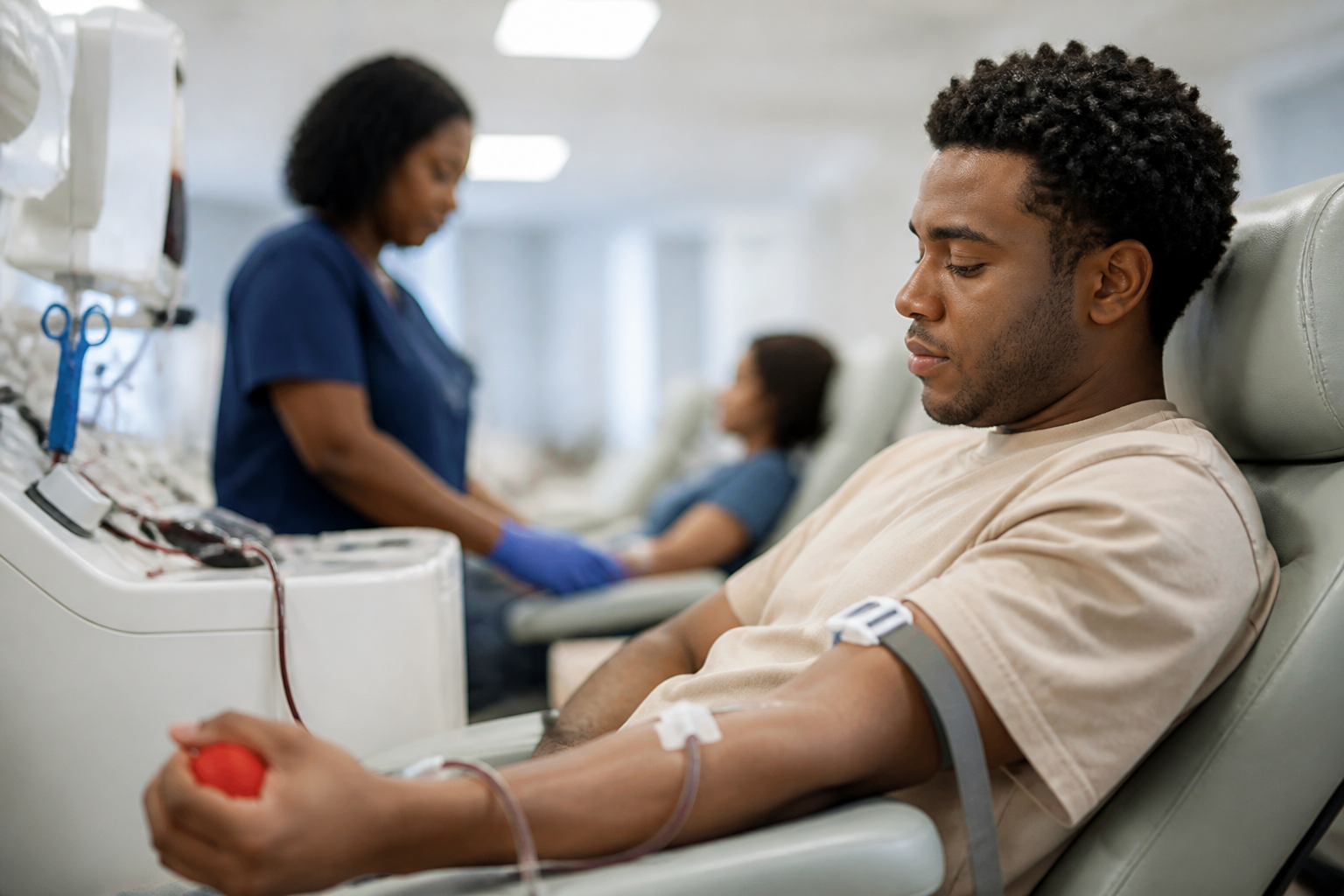
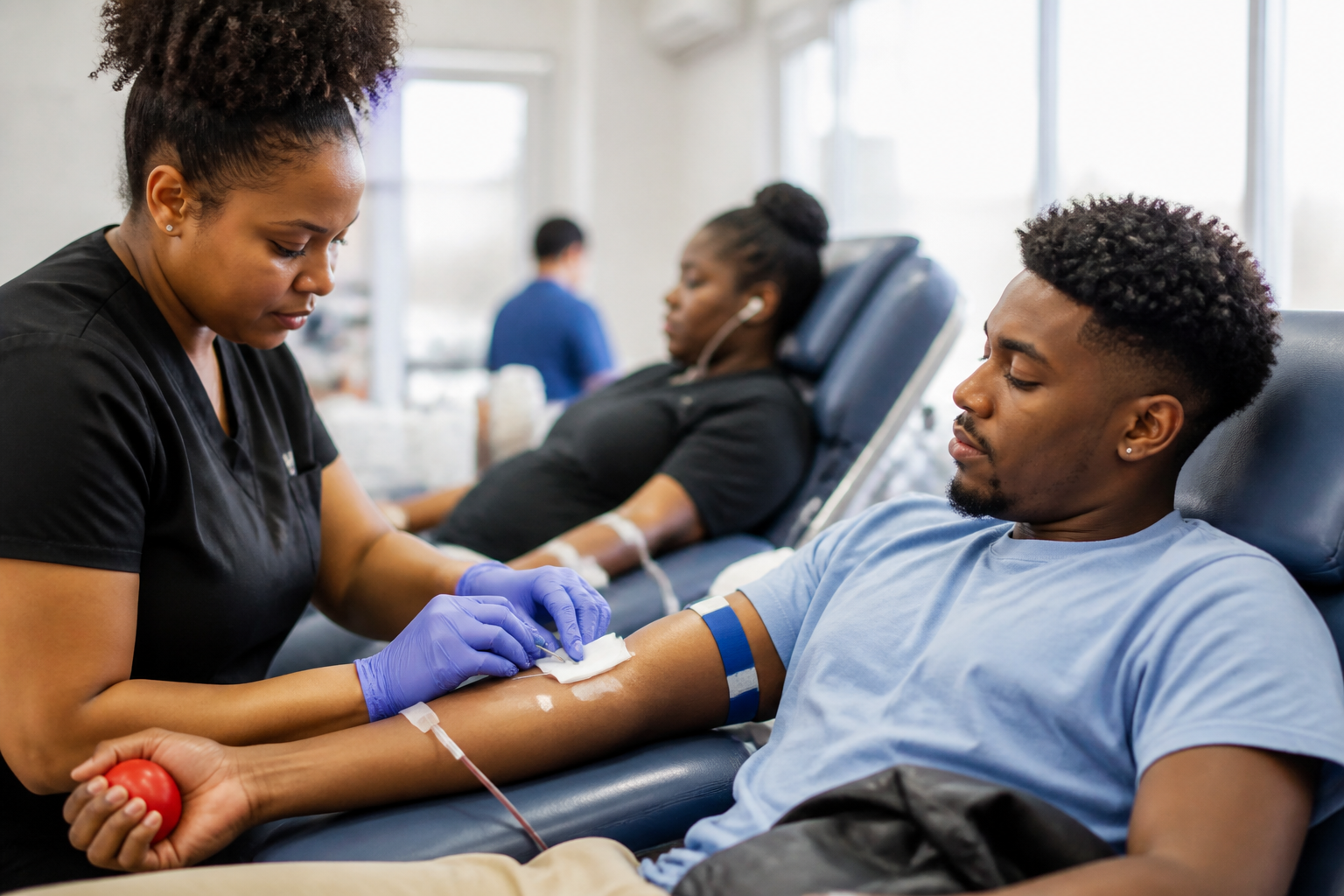
Sickle cell disease remains a devastating inherited blood disorder that disproportionately impacts Black Americans, causing severe pain crises, organ damage, and life-threatening complications. For thousands of patients nationwide, regular blood transfusions serve as an indispensable lifeline, helping to reduce pain, prevent strokes, and maintain essential organ function. However, health officials and blood centers continue to face a persistent challenge: a shortage of closely matched blood from African American donors.
While blood transfusions from any compatible donor can be used in emergencies, sickle cell patients who require lifelong transfusion therapy need precise biological matches. Without closely matched donor blood, individuals receiving frequent transfusions face an increased risk of severe immune reactions and iron overload, which can compromise long-term health and diminish quality of life.
The Critical Importance of Culturally Matched Donors
Blood types extend beyond the common A, B, AB, and O designations. Subtypes and complex surface antigens play a crucial role in determining compatibility, particularly for patients undergoing chronic transfusion therapy. Because many rare blood antigens are inherited and specific to racial and ethnic backgrounds, African American donors are significantly more likely to possess the exact blood profiles needed by Black patients battling sickle cell disease.
When patients receive transfusions from donors with matching antigen profiles, the risk of their immune systems developing antibodies against the foreign blood drops dramatically. Expanding the pool of Black blood donors is therefore a direct intervention that improves treatment efficacy, reduces hospitalizations, and allows individuals with sickle cell disease to live fuller, healthier lives.
Mobilizing HBCUs and Community Leadership
Addressing the systemic shortage of diverse blood donors requires sustained community engagement, trustworthy healthcare partnerships, and grassroots leadership. Historically Black Colleges and Universities (HBCUs) have long stood at the forefront of health advocacy and public service, serving as vital hubs for health education and community mobilization. By organizing targeted blood drives and raising awareness about genetic health conditions, HBCU campuses and alumni networks play a essential role in bridging healthcare gaps.
Building a reliable and diverse blood supply is ultimately an act of community care and collective empowerment. Increasing participation among Black blood donors not only addresses an urgent clinical need for sickle cell patients today, but also strengthens the broader health infrastructure dedicated to eliminating health disparities in African American communities.