Nutrition & Fitness
Unlocking the Science of Diet: New Study Examines the Complexities of Human Nutrition
A groundbreaking nutrition study tracks individual diets and metabolic responses to develop precise evidence-based health recommendations.
Published August 8, 2026 · HealthHBCU Newsroom
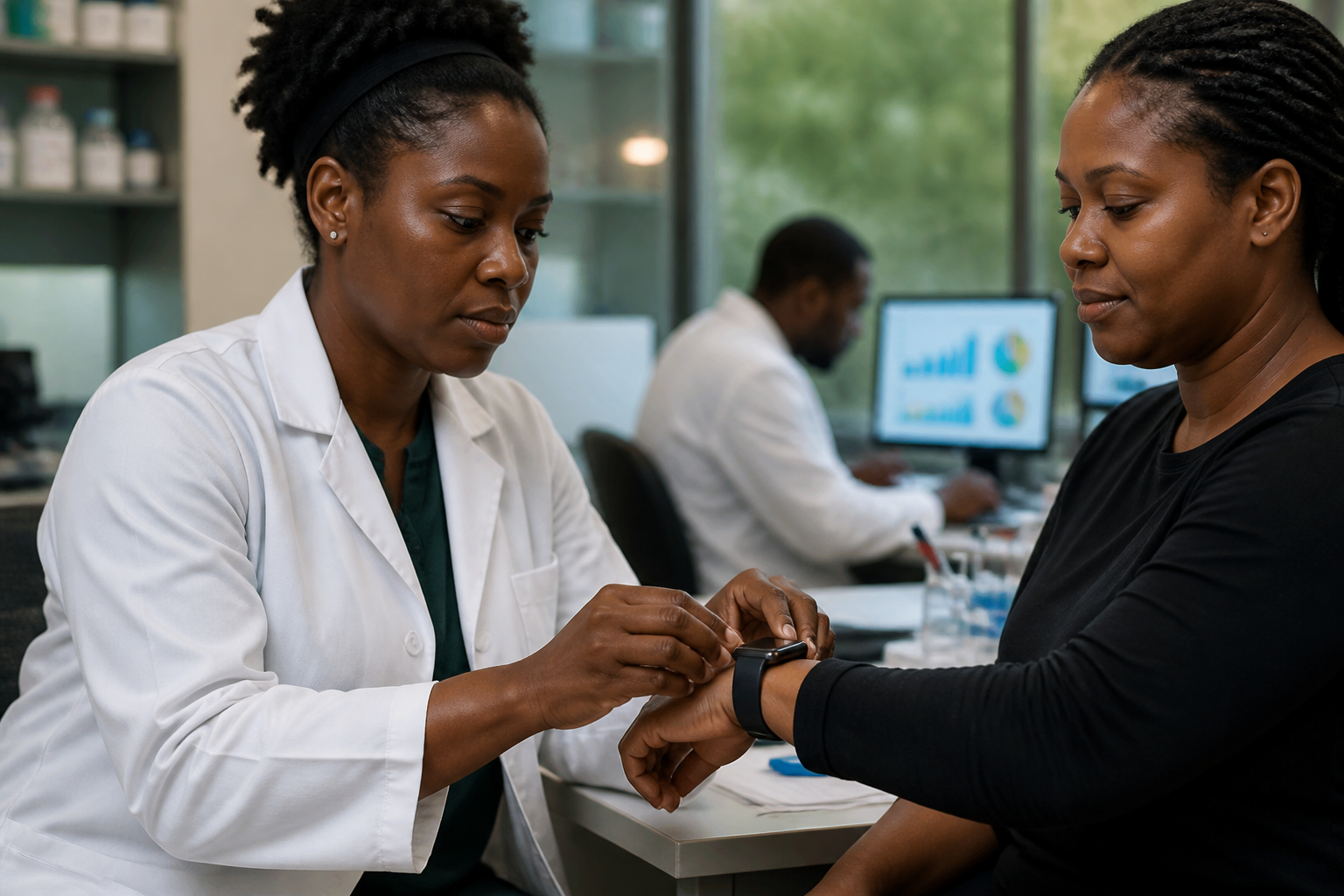
A landmark study is attempting to demystify dietary health by closely monitoring what individuals consume and how their bodies respond. Researchers are leveraging advanced tracking tools and biological sampling to look deeper into the complex relationship between daily food choices and long-term health outcomes. By gathering granular data on nutrient intake, metabolic markers, and physiological responses, the initiative aims to replace broad, one-size-fits-all dietary advice with precise, evidence-based recommendations.
Historically, nutritional science has relied heavily on self-reported food diaries, which are often prone to human error and recall bias. This new observational approach aims to open the "black box" of human metabolism by continuously measuring biological markers. Researchers hope to understand why two people can eat the exact same meal yet experience vastly different impacts on their blood sugar, inflammation levels, and overall wellness.
Addressing Disparities Through Precision Nutrition
Understanding individual metabolic variations is especially vital for addressing chronic health conditions that disproportionately impact Black communities. Rates of type 2 diabetes, hypertension, and cardiovascular disease remain disproportionately high among Black Americans—disparities largely driven by systemic inequities, limited access to fresh foods, and historical gaps in clinical research representation. Broad nutritional guidelines often fail to account for cultural dietary patterns, socio-economic factors, or specific metabolic variations, leaving significant gaps in preventive care.
By examining dietary impacts at a molecular level, precision nutrition research holds the potential to inform more effective, personalized dietary interventions. If researchers can accurately pinpoint how specific foods interact with individual biological profiles, healthcare providers can offer actionable, culturally relevant advice that truly aids in disease prevention and management.
The Vital Role of HBCU Researchers and Providers
To ensure these scientific breakthroughs benefit everyone, diverse representation in nutrition science and clinical research is paramount. Historically Black Colleges and Universities (HBCUs) and Black health professionals play a crucial role in bridging the gap between advanced medical research and community-based care. When HBCU-trained scientists and physicians lead clinical trials and dietary studies, they bring essential cultural competence and foster deep trust within historically overlooked populations.
Expanding precision nutrition research to include diverse participant pools—and placing Black researchers at the forefront of these investigations—is a necessary step toward health equity. As scientists continue to unpack the complexities of human diet and metabolism, the goal remains clear: translating cutting-edge nutritional data into accessible, life-saving care that reduces chronic disease burdens in Black communities nationwide.