Diabetes
Addressing Diabetes Risk in Black Communities Through Prevention and Health Equity
Understanding key risk factors and adopting proactive lifestyle measures can significantly reduce the impact of Type 2 diabetes in Black communities.
Published September 1, 2026 · HealthHBCU Newsroom

Type 2 diabetes remains one of the most pressing public health challenges facing Black communities across the United States. Historically, systemic inequities in healthcare access, neighborhood resources, and socioeconomic status have contributed to disproportionately high rates of metabolic disease among African Americans. Addressing this disparity requires culturally informed education, improved preventative care, and actionable strategies for early intervention.
Understanding individual risk factors is a vital first step in reducing the incidence of diabetes. While genetic background plays a role, lifestyle adjustments and routine screenings offer powerful tools for prevention and management. By prioritizing health literacy and accessible community wellness initiatives, individuals and families can take proactive measures to protect their long-term health.
Key Strategies for Risk Reduction
Preventing or delaying the onset of Type 2 diabetes involves a comprehensive approach to daily wellness. Dietary choices that emphasize whole foods, high-fiber vegetables, and lean proteins can significantly improve insulin sensitivity and help regulate blood sugar levels. Reducing the intake of refined sugars and ultra-processed foods is equally critical for long-term metabolic stability.
Regular physical activity is another essential component of diabetes prevention. Engaging in moderate exercise—such as brisk walking, cycling, or strength training—helps the body utilize glucose more effectively while supporting cardiovascular health. Alongside physical activity, achieving and maintaining a healthy weight reduces the strain on insulin-producing pancreatic cells.
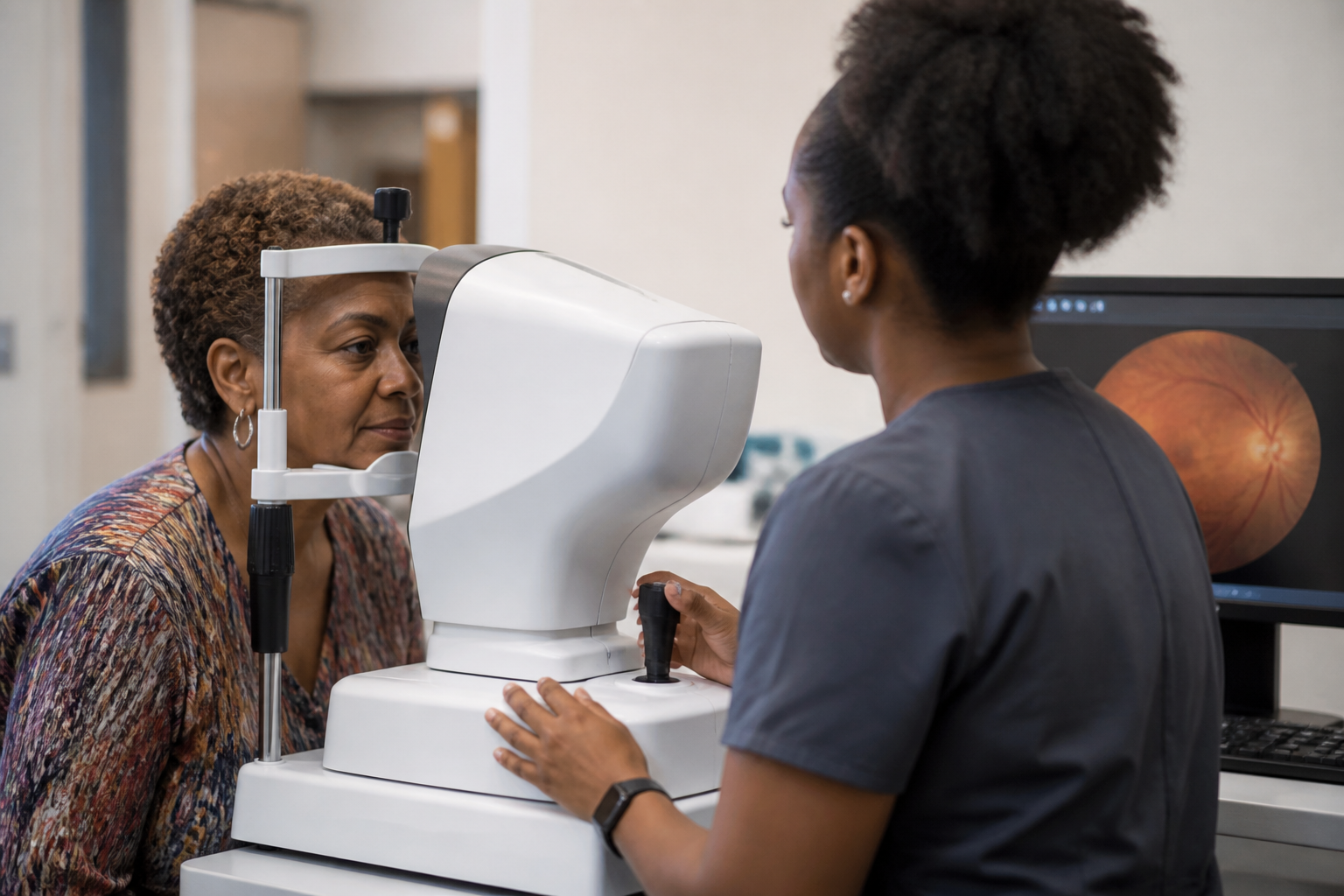
Routine medical checkups, including blood glucose and A1C tests, allow individuals to detect prediabetes early. When identified in its initial stages, elevated blood sugar can often be normalized through targeted lifestyle modifications before progressing to clinical diabetes.
The Role of Representation in Metabolic Health
Closing the health equity gap requires a workforce of medical professionals who understand the social and cultural nuances affecting Black patients. Historically Black Colleges and Universities (HBCUs) play a pivotal role in this effort by training a significant portion of the nation's Black physicians, nurses, and public health researchers.
Healthcare providers from diverse backgrounds are uniquely positioned to build trust, deliver culturally sensitive care, and advocate for preventative health resources in underserved communities. Expanding the pipeline of Black medical professionals directly strengthens community-based diabetes education and improves long-term patient outcomes.
Through combined efforts in medical education, community outreach, and personal preventative care, Black Americans can better navigate their health risks and work toward a future with lower rates of chronic disease.