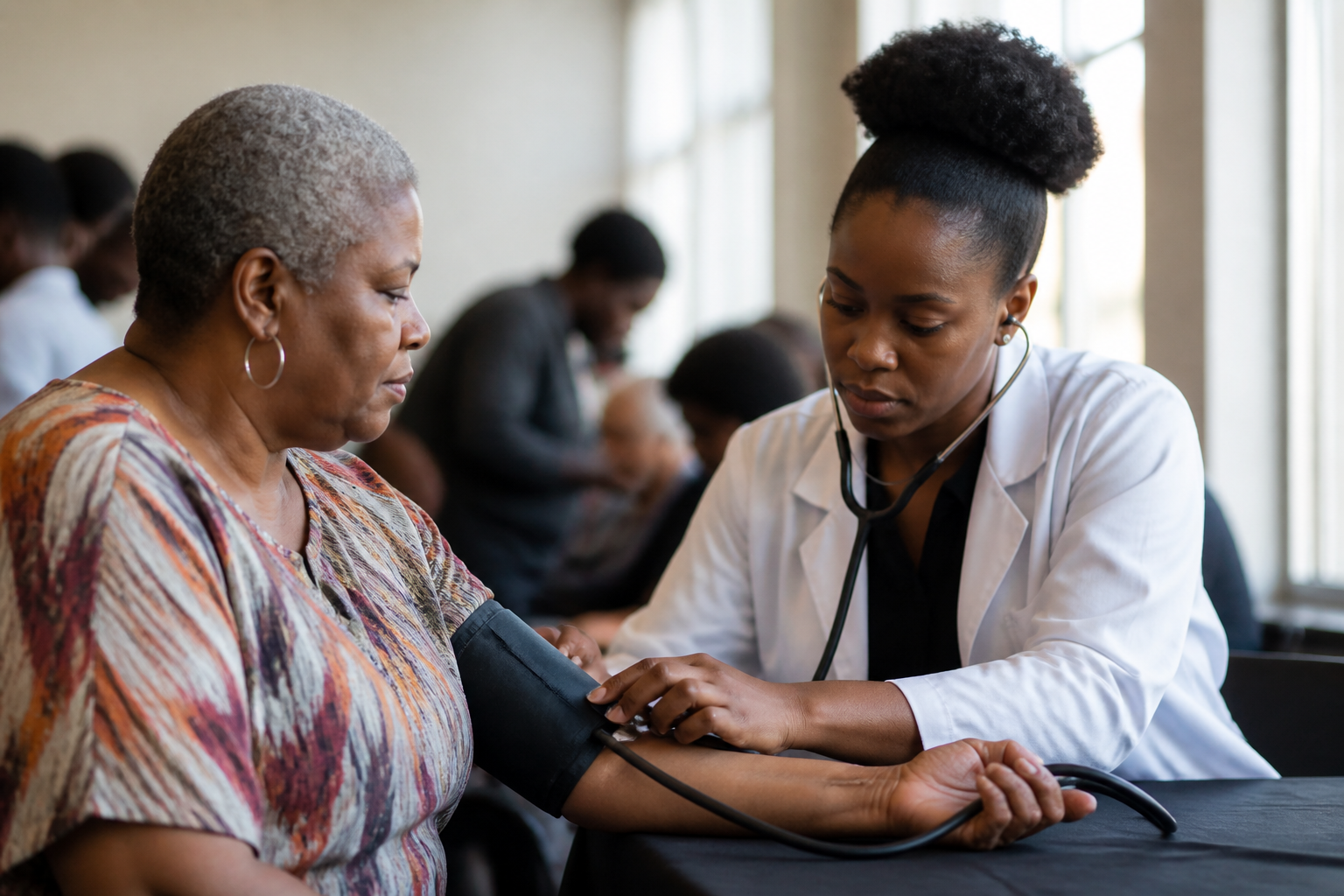
Heart Health
Addressing Geography and Equity in Rural Hypertension Management
A new American Heart Association focus highlights how geographical isolation and systemic inequities exacerbate high blood pressure risks for rural Black populations.
Published August 8, 2026 · HealthHBCU Newsroom
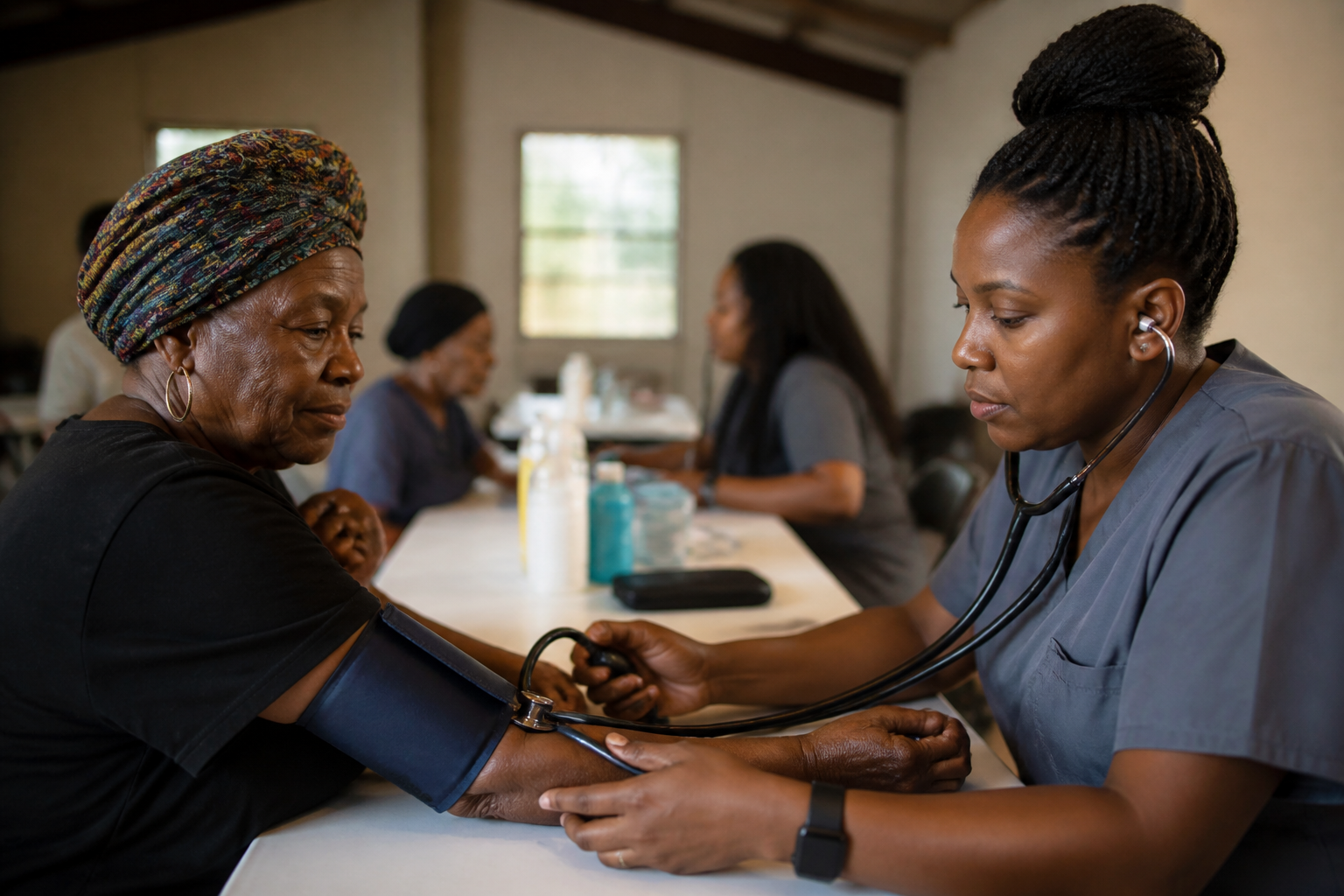
High blood pressure remains one of the most pervasive threats to Black adult health in the United States, yet the burden is far from evenly distributed. New research from the American Heart Association highlights how geography compounds existing racial health disparities, creating severe obstacles to hypertension management for individuals living in rural communities.
For rural Black residents, the risk of unmanaged high blood pressure is exacerbated by systemic barriers, including severe shortages of primary care providers, long travel distances to specialty centers, and limited access to fresh, nutrient-dense foods. When structural racism intersects with rural isolation, the result is a critical gap in preventative care that leaves patients vulnerable to heart failure, stroke, and chronic kidney disease.
The Intersection of Geography and Racial Health Disparities
Hypertension affects Black Americans at higher rates and earlier ages than any other demographic group in the nation. While clinical guidelines emphasize routine monitoring, lifestyle adjustments, and consistent medication management, rural infrastructure often fails to support these basic standards of care.
In many rural southern regions—where large populations of Black families reside—the local healthcare system has suffered from hospital closures and a persistent shortage of clinical staff. This lack of proximate medical resources delays diagnosis and destabilizes long-term care plans, transforming a manageable chronic condition into a life-threatening crisis.
Bridging the Gap Through Workforce Representation
Addressing rural hypertension disparities requires strategies that go beyond traditional clinic walls. Research consistently demonstrates that patient outcomes improve when individuals receive care from providers who share their cultural background and understand their local context.
Historically Black Colleges and Universities play a central role in training the medical professionals most likely to practice in underserved and rural areas. Physicians, nurses, and public health practitioners educated at HBCUs are uniquely equipped to implement community-based hypertension interventions, advocate for policy changes, and foster the trust necessary to keep rural patients engaged in ongoing care.
Scalable Solutions for Rural Cardiovascular Health
To reverse these alarming trends, public health experts emphasize the need for expanded telehealth infrastructure, mobile health clinics, and sustainable community health worker programs. Equipping non-physician providers to assist with blood pressure screenings and lifestyle counseling offers a proven path toward extending reach in remote regions.
Closing the gap in rural hypertension management ultimately demands targeted investment in healthcare access and workforce diversity. By prioritizing the health of rural Black communities and empowering diverse medical leaders, the nation can take decisive steps toward cardiovascular equity.