Heart Health
Understanding the Elevated Risk of Stroke in Black Communities
High rates of hypertension, diabetes, and systemic health inequities place Black adults at an elevated risk for stroke, highlighting the urgent need for culturally competent cardiovascular care.
Published September 1, 2026 · HealthHBCU Newsroom
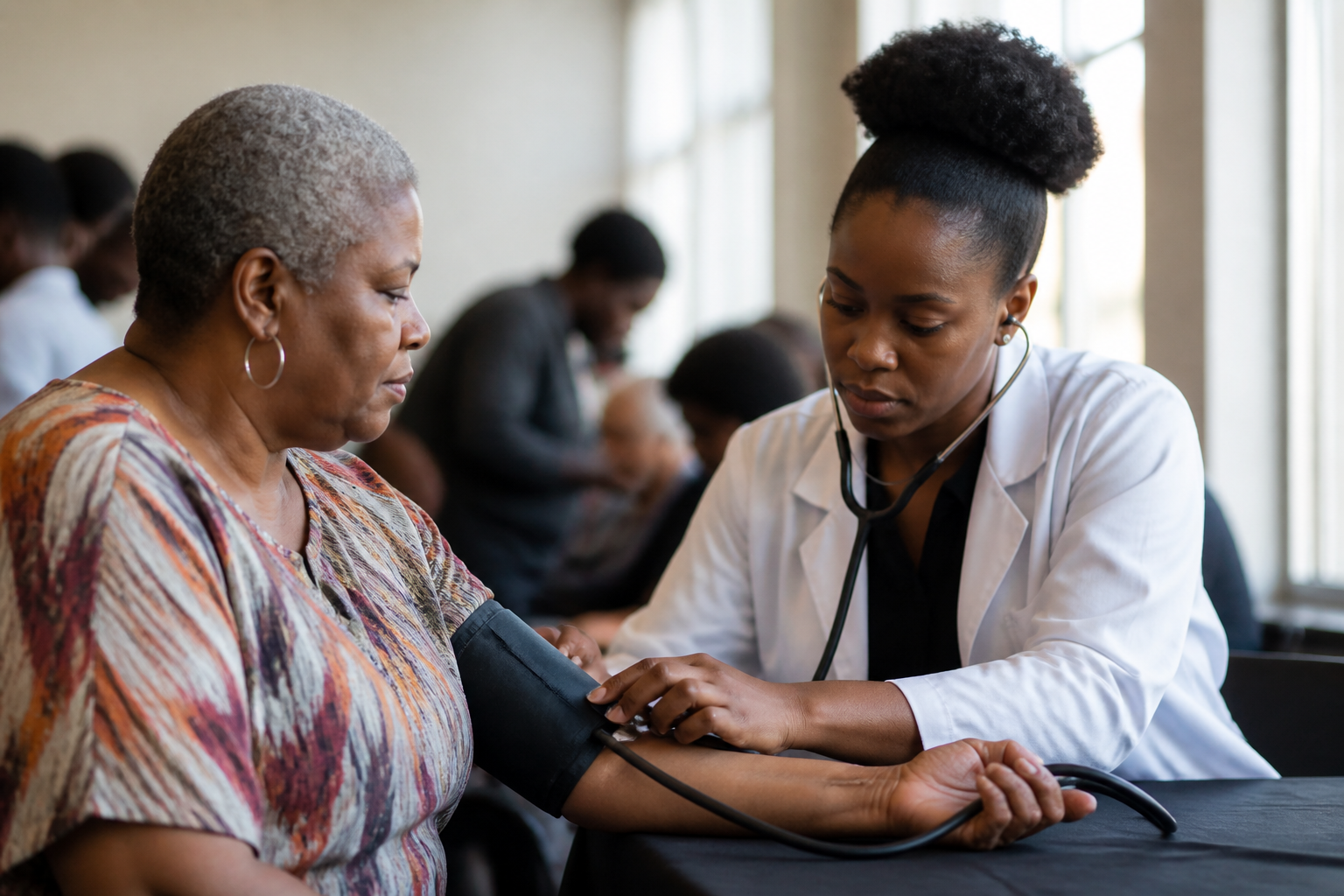
The health disparities surrounding cardiovascular disease continue to pose a severe threat to Black communities across the United States. Stroke, a leading cause of death and long-term disability nationwide, strikes Black Americans at significantly higher rates and at younger ages compared to their white peers. Understanding the complex web of risk factors driving this inequality is essential for community leaders, healthcare providers, and public health advocates working to reverse these troubling trends.
Cardiovascular specialists point to several interconnected medical and systemic factors that elevate stroke risk among Black populations. Hypertension, or high blood pressure, serves as the single primary culprit. Black adults experience higher rates of high blood pressure than almost any other population group in the world, with the condition often developing earlier in life and presenting with greater severity.
Intersecting Health Risks and Systemic Drivers
Beyond hypertension, several other chronic health conditions compound the danger of stroke for Black individuals. Type 2 diabetes, high cholesterol, and obesity occur at disproportionately elevated rates within the community, each incrementally worsening vascular health. When these metabolic risk factors overlap, they dramatically increase the likelihood of a blocked or ruptured blood vessel in the brain.
However, medical risk factors tell only part of the story. Systemic challenges, including limited access to quality healthcare, food insecurity, and neighborhood environments that restrict safe physical activity, play an equally decisive role. Chronic stress stemming from socioeconomic inequity and racial discrimination also contributes directly to elevated blood pressure and systemic inflammation, creating a biological environment vulnerable to vascular damage.
The Vital Role of HBCU-Trained Professionals
Addressing this public health crisis requires a culturally competent healthcare workforce capable of providing empathetic, tailored, and preventative care. Historically Black Colleges and Universities (HBCUs) stand at the forefront of this effort, educating a substantial percentage of the nation's Black physicians, nurses, public health experts, and medical researchers.
HBCU medical institutions, such as Meharry Medical College, Howard University College of Medicine, Morehouse School of Medicine, and the Charles R. Drew University of Medicine and Science, train clinicians who deeply understand the social determinants of health affecting their patients. Research consistently demonstrates that when Black patients receive care from clinicians who share their cultural background, communication improves, trust deepens, and adherence to preventative treatment plans increases.
Empowering Communities Through Prevention and Education
Mitigating stroke risk requires aggressive community-level engagement alongside clinical intervention. Early screening for high blood pressure and blood glucose levels remains a crucial first line of defense, allowing individuals to manage asymptomatic risks before catastrophic vascular events occur.
By pairing grass-roots education efforts with the clinical leadership fostered by HBCUs, communities can better recognize the early signs of a stroke and advocate for timely care. Expanding access to preventative treatments, fostering trusted patient-provider relationships, and addressing the root socioeconomic drivers of cardiovascular disease remain vital steps toward achieving health equity and safeguarding Black lives.