Heart Health
Addressing Stroke Care Disparities for Black Patients in Rural Communities
Dr. Kevin Kwaku addresses the acute challenges facing Black rural stroke patients and highlights the urgent need for equitable cardiovascular care.
Published August 19, 2026 · HealthHBCU Newsroom
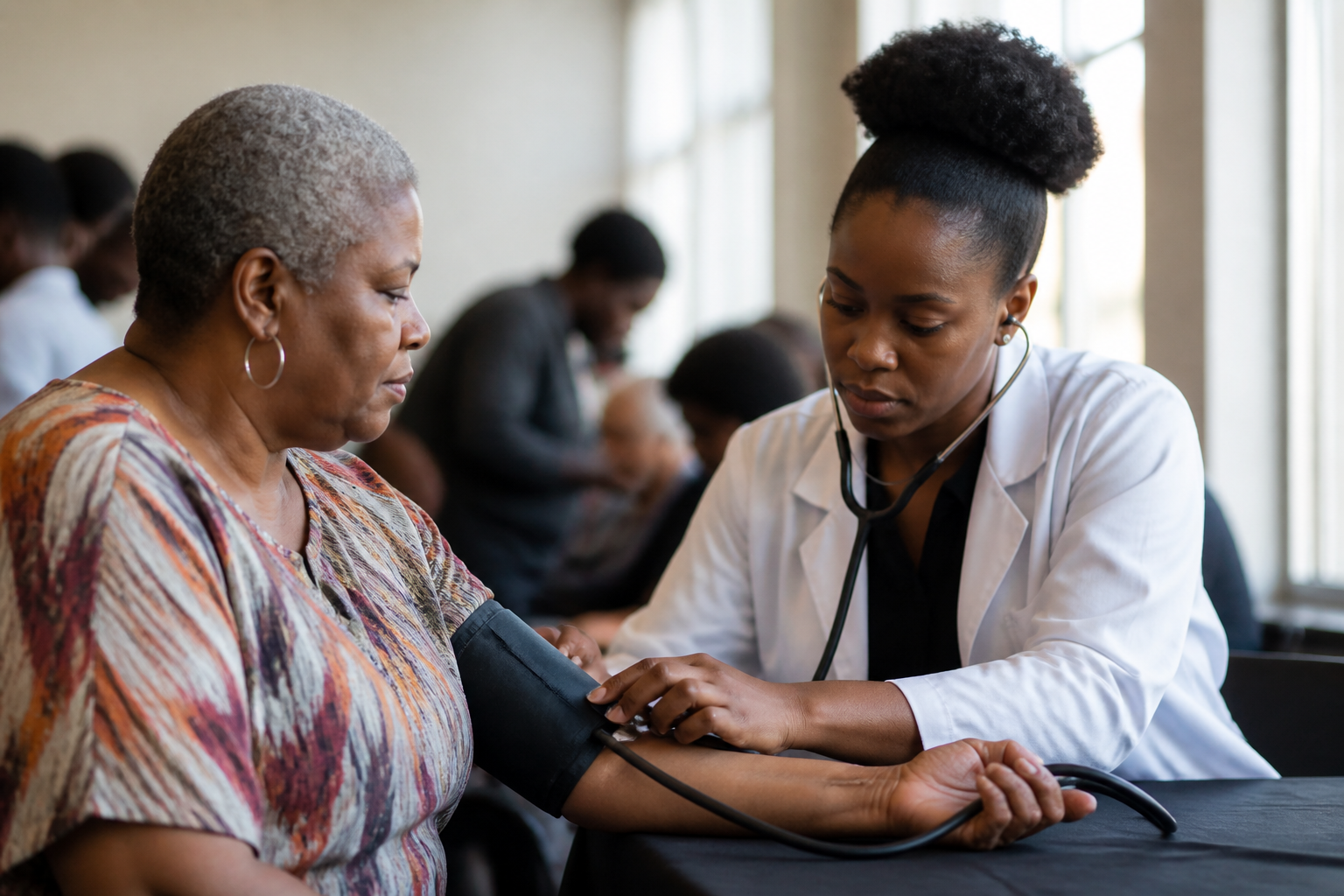
The intersection of race, geography, and cardiovascular health presents a critical challenge in modern American medicine. Black Americans living in rural communities face disproportionate risks of stroke alongside significant barriers to timely, high-quality emergency care. Addressing these deep-seated disparities requires both targeted clinical interventions and a broader commitment to diversifying the healthcare workforce that serves these vulnerable populations.
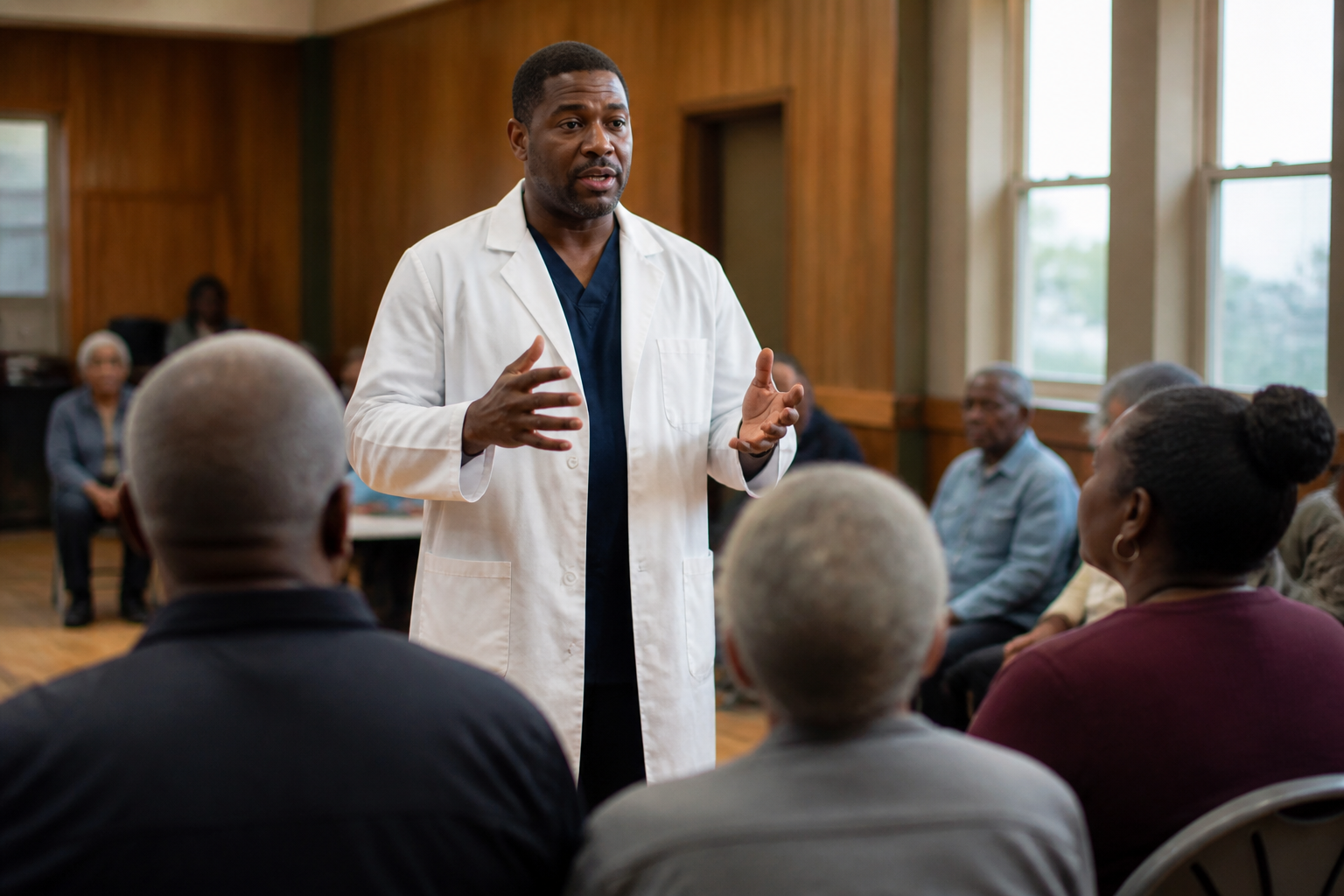
In an interview with The Cardiology Advisor, Kevin Kwaku, MD, PhD, detailed the compounded obstacles that rural Black patients encounter during a cerebrovascular event. Geographic isolation often translates to prolonged emergency response times and extended transport distances to specialized stroke centers. When paired with systemic inequities in outpatient management for underlying conditions like hypertension and atrial fibrillation, rural residents face elevated risks of severe long-term disability or death following a stroke.
Overcoming Barriers to Rapid Stroke Intervention
Time is the most crucial factor in acute stroke management, as delayed treatment drastically reduces the likelihood of full neurological recovery. Dr. Kwaku emphasized that rural hospitals frequently lack on-site neurological specialists or advanced imaging capabilities needed to administer clot-busting medications or perform mechanical thrombectomies quickly. For Black patients in these regions, pre-existing systemic biases and socioeconomic stressors can further delay emergency medical care seeking, exacerbating health outcomes.
Mitigating these rural disparities demands systemic investments in regionalized emergency care networks and expanding the use of telestroke technology. By connecting rural emergency departments with remote stroke specialists, community hospitals can quickly diagnose and initiate treatment protocols for acute stroke patients. However, experts note that technological solutions must be paired with trusted local healthcare providers who understand the cultural and social dynamics of the communities they serve.
The Vital Role of Culturally Competent Care
Improving outcomes for rural Black patients also hinges on robust primary care and preventive cardiovascular medicine. Effective management of hypertension, diabetes, and high cholesterol remains the primary defense against stroke. When Black patients have access to culturally competent physicians who foster trust and clear communication, adherence to preventive therapies and lifestyle modifications improves significantly.
Historically Black Colleges and Universities play an indispensable role in closing these healthcare gaps. By training a significant portion of the nation’s Black physicians, nurses, and public health professionals, HBCU medical institutions directly bolster the workforce needed to serve historically underresourced rural areas. Strengthening the pipeline of Black medical professionals ensures that clinical advances and preventive stroke care reach the populations that need them most.