Lung & Respiratory Health
Black Cardamom Extracts Show Promise Against Lung Cancer Cells in Preclinical Study
Researchers at the National University of Singapore found that extracts from the traditional spice inhibited lung cancer cell growth in laboratory models.
Published September 1, 2026 · HealthHBCU Newsroom
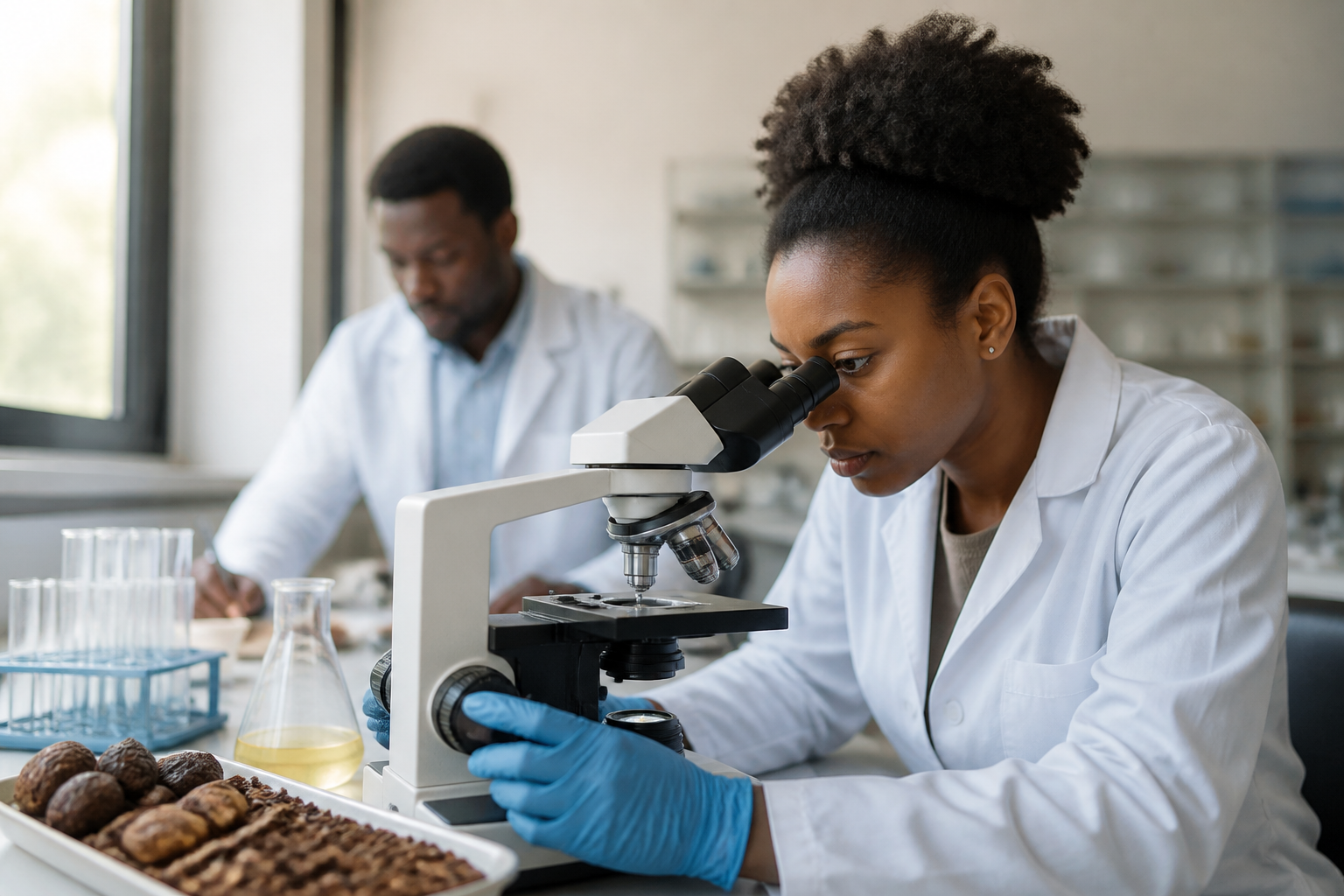
Lab research from the National University of Singapore reveals that extracts from black cardamom exhibit potent anti-cancer properties against lung cancer cells. The spice, widely used in traditional Asian cooking and natural medicine, contains natural bioactive compounds that significantly inhibited the growth and spread of lung cancer cells in preclinical models.
While researchers stress that the findings represent an early laboratory stage and do not yet equate to a clinical treatment, the discovery highlights the untapped potential of dietary compounds in modern oncology.
Understanding the Botanical Compounds
The study focused on the bioactive molecules found within the seeds of black cardamom (Amomum subulatum). Scientists observed that specific extracts were capable of disrupting cancer cell proliferation and triggering apoptosis—the programmed cell death process that cancer cells typically bypass.
The research team evaluated the cellular responses to varying concentrations of the extract, noting a clear dose-dependent reduction in cancer cell viability. These mechanisms suggest that black cardamom could serve as a promising source for isolating novel therapeutic agents aimed at combating aggressive solid tumors.
Implications for Health Disparities
Lung cancer remains one of the leading causes of cancer-related mortality worldwide, and its burden is disproportionately felt in Black American communities. Systemic healthcare inequities, late-stage diagnoses, and lower enrollment in clinical trials contribute to poorer survival outcomes for Black patients diagnosed with lung malignancies.
Investigating targeted, accessible, and naturally derived compounds offers a complementary avenue for oncological research. For Black populations facing high rates of respiratory illnesses and cancer, expanding the pipeline of potential therapeutics is essential to improving long-term health outcomes.
Expanding Diverse Medical Research
The identification of plant-based anti-cancer agents underscores the importance of diverse scientific perspectives in drug discovery. Historically Black Colleges and Universities (HBCUs) play a pivotal role in advancing culturally informed medical research and preparing Black scientists to lead oncology studies.
By training researchers who prioritize addressing chronic health disparities, HBCU medical institutions help ensure that novel therapies—whether derived from synthetic engineering or natural botanicals—are developed with equity and community impact in mind. Moving forward, the Singapore research team plans to conduct further studies to isolate the specific active molecules and assess their safety and efficacy in advanced preclinical models.