Student Success
Charlotte Alumni Cookout Raises Funds to Support Future HBCU Students
An annual alumni gathering in Charlotte raises vital scholarship funds to help prospective students attend Historically Black Colleges and Universities.
Published August 7, 2026 · HealthHBCU Newsroom
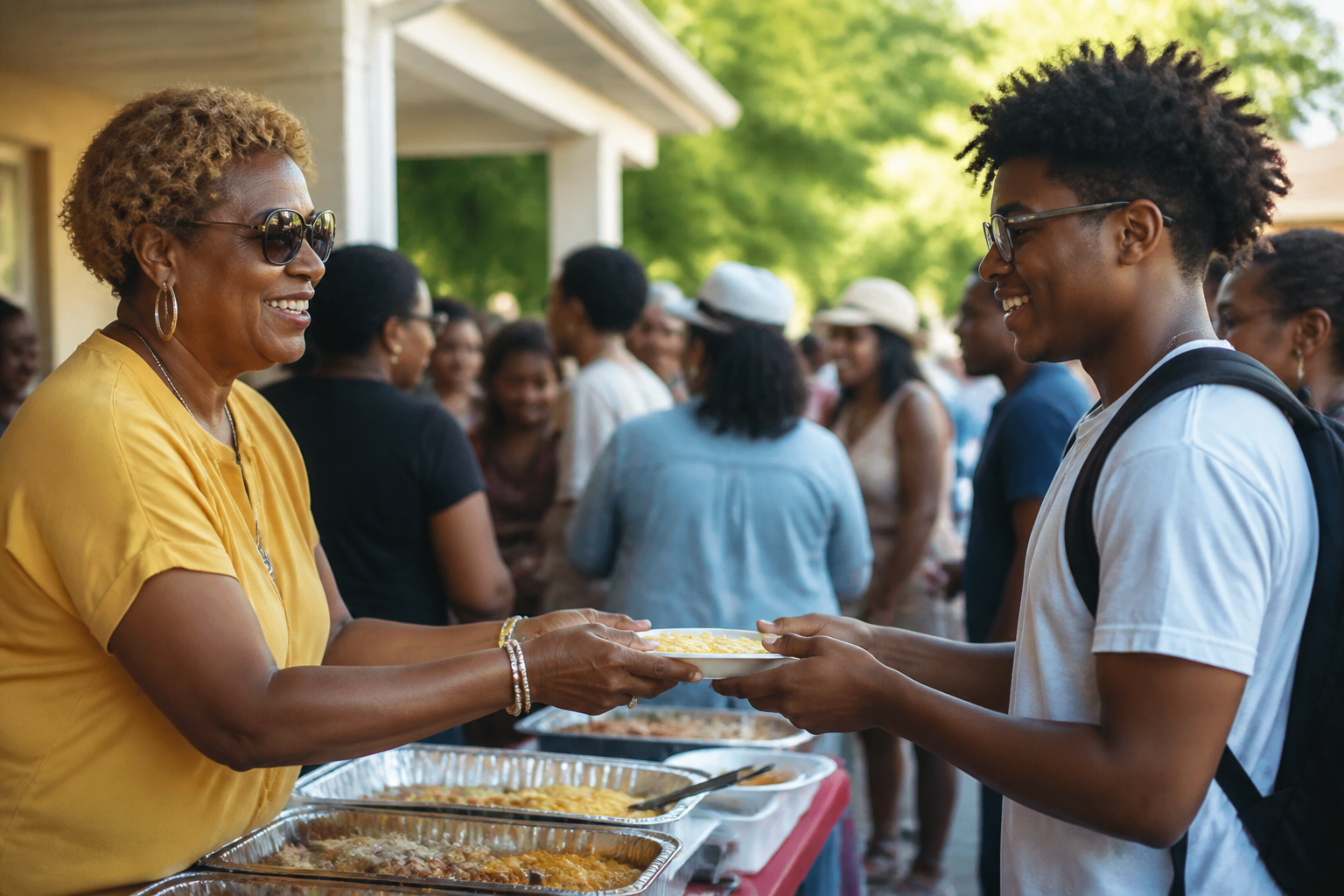
A local tradition rooted in fellowship and educational equity is bringing community members together in Charlotte, North Carolina. The city's annual Historically Black Colleges and Universities alumni cookout has returned, serving as both a celebration of culture and a critical fundraising effort to help local students pursue higher education.
Organized by local alumni associations, the gathering brings together graduates from across the region to support the next generation of scholars. Proceeds raised during the event directly fund academic scholarships, helping reduce the financial barriers that often prevent talented Black youth from attending college and completing their degrees.
Investing in the Pipeline of Black Scholars
For decades, HBCUs have played a disproportionate role in producing Black professionals across every major sector, particularly in science, technology, engineering, and mathematics. Scholarship initiatives generated by alumni networks are essential to maintaining this legacy, ensuring that cost does not stand between promising students and an undergraduate education.
These funding efforts are especially vital for students aspiring to enter healthcare professions. Financial constraints remain one of the most significant obstacles for prospective medical, nursing, and public health students. By alleviating the initial burden of undergraduate tuition, community-supported scholarships help establish a stable foundation for students who plan to pursue advanced degrees in clinical and health sciences.
Strengthening Community Health and Representation
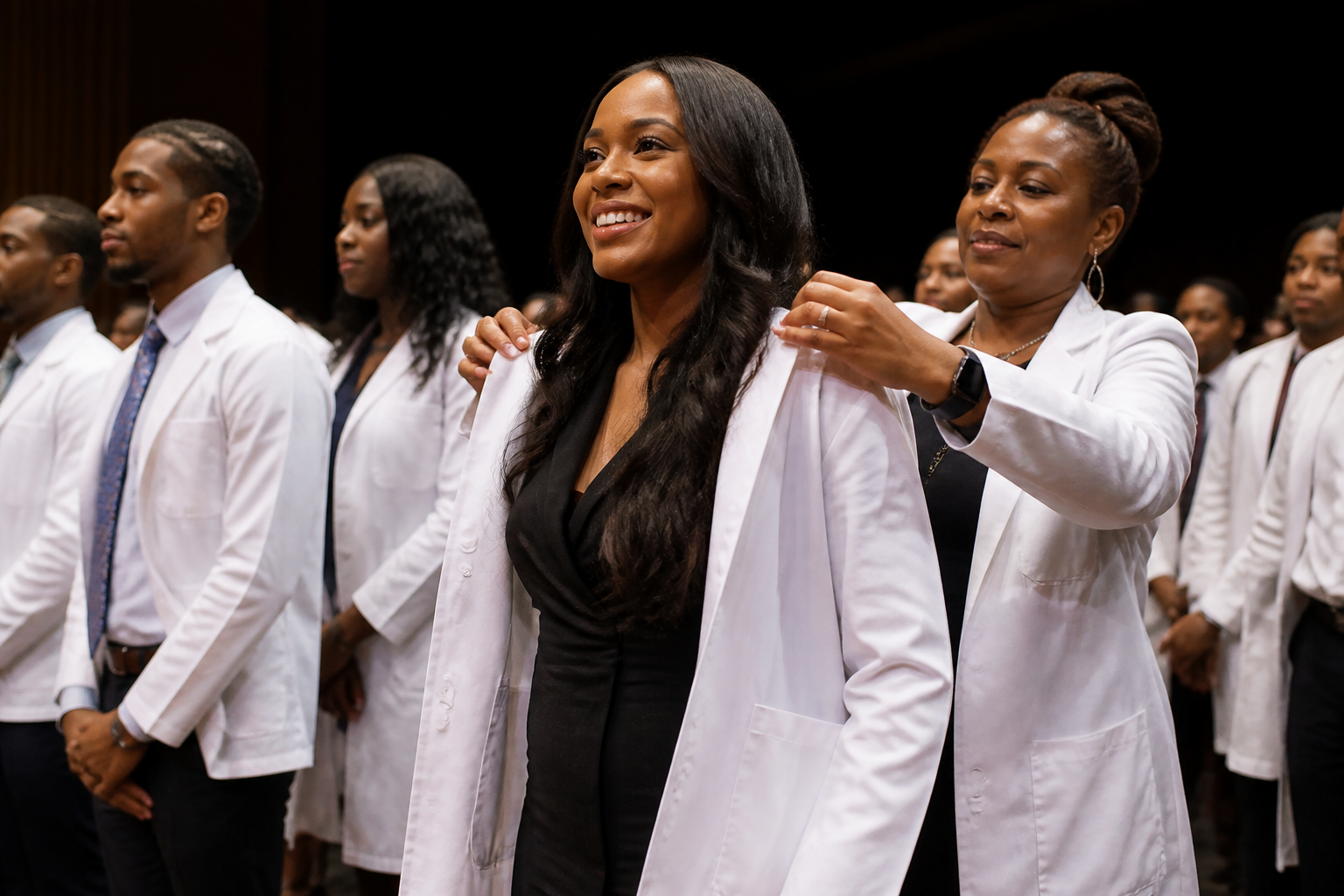
The impact of expanding access to HBCU educations extends far beyond individual academic achievement. Historically Black institutions train a substantial percentage of the nation's Black physicians, nurses, and researchers—professionals who are statistically more likely to practice in medically underserved areas and provide culturally competent care to historically marginalized populations.
Increasing the representation of Black clinicians is a recognized strategy for addressing deeply entrenched health disparities, from maternal mortality to chronic disease management. By transforming a neighborhood gathering into a mechanism for academic funding, events like the Charlotte alumni cookout actively contribute to building a stronger, more diverse health workforce capable of improving community outcomes.