Diabetes
Finding Blood Sugar Balance: Sustainable Nutrition and the Need for Black Dietitians
Registered Dietitian Nutritionist Jessica Jones shares practical strategies for managing glucose levels while highlighting the vital role of culturally attuned care in Black communities.
Published August 7, 2026 · HealthHBCU Newsroom

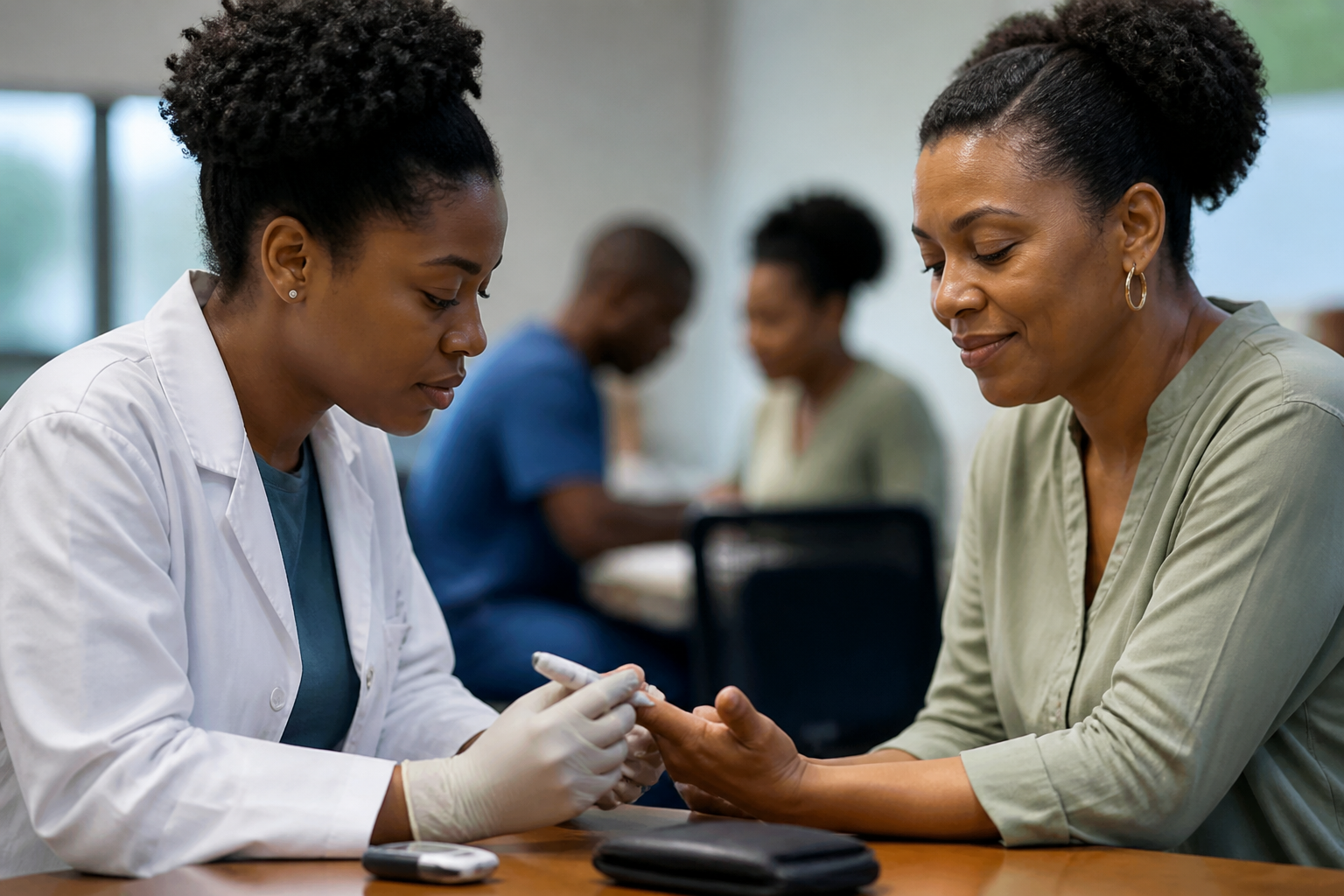
Managing diabetes effectively requires practical, culturally attuned strategies that fit into everyday life rather than rigid, punitive dieting. Registered Dietitian Nutritionist Jessica Jones is addressing this challenge by helping individuals navigate blood sugar management through balanced, sustainable dietary choices that honor personal lifestyle and cultural heritage.
Diabetes disproportionately impacts Black communities across the United States, driven by a complex interplay of systemic health inequities, socio-economic factors, and historical barriers to tailored healthcare. For many living with or at risk for type 2 diabetes, traditional nutritional advice can feel disconnected from cultural food traditions, leading to frustration and burnout. Approachable guidance from Black nutrition professionals helps bridge this gap, offering evidence-based care that respects community foodways while promoting metabolic wellness.
Rethinking Blood Sugar Regulation
Managing glucose levels effectively is less about elimination and more about strategic combination. Dietitians emphasize pairing carbohydrates with lean proteins, healthy fats, and dietary fiber to slow digestion and prevent drastic blood sugar spikes. By focusing on what to add to a plate rather than strictly what to remove, patients build a more sustainable relationship with food.
Understanding how different foods affect insulin response allows individuals to make informed decisions without sacrificing flavor or tradition. Incorporating nutrient-dense staples—such as leafy greens, legumes, whole grains, and lean proteins—helps stabilize energy levels throughout the day and supports long-term cardiovascular and kidney health, two areas where diabetes complications often manifest.
The Role of Culturally Competent Care
The guidance provided by nutrition experts like Jones underscores a broader imperative within healthcare: the urgent need for a diverse workforce of clinical dietitians and allied health professionals. Historically, Black representation in nutrition and dietetics has remained disproportionately low, which can limit the availability of culturally congruent care in vulnerable communities.
Historically Black Colleges and Universities play a critical role in addressing these workforce disparities. By training the next generation of Black dietitians, researchers, and healthcare providers, HBCU health and science programs ensure that community-based nutritional care is grounded in empathy, cultural competence, and clinical rigor. Increasing representation in dietetics directly translates to better patient communication, improved adherence to wellness plans, and ultimately, stronger health outcomes for Black families navigating chronic conditions.