Heart Health
Life-Stage Prevention Model Key to Closing Racial Disparities in Women's Heart Health
A new study advocates for a lifelong, personalized approach to women's heart health to eliminate racial disparities and lower cardiovascular risks.
Published August 8, 2026 · HealthHBCU Newsroom

A new research initiative published in the Journal of the American College of Cardiology underscores the critical necessity of tailored, lifelong approaches to women's heart health. The report emphasizes that preventing cardiovascular disease in women requires an evolving strategy that accounts for distinct biological and social transitions across a woman's lifespan. By moving away from one-size-fits-all clinical models, cardiologists hope to better address persistent racial and socioeconomic disparities in heart disease outcomes.
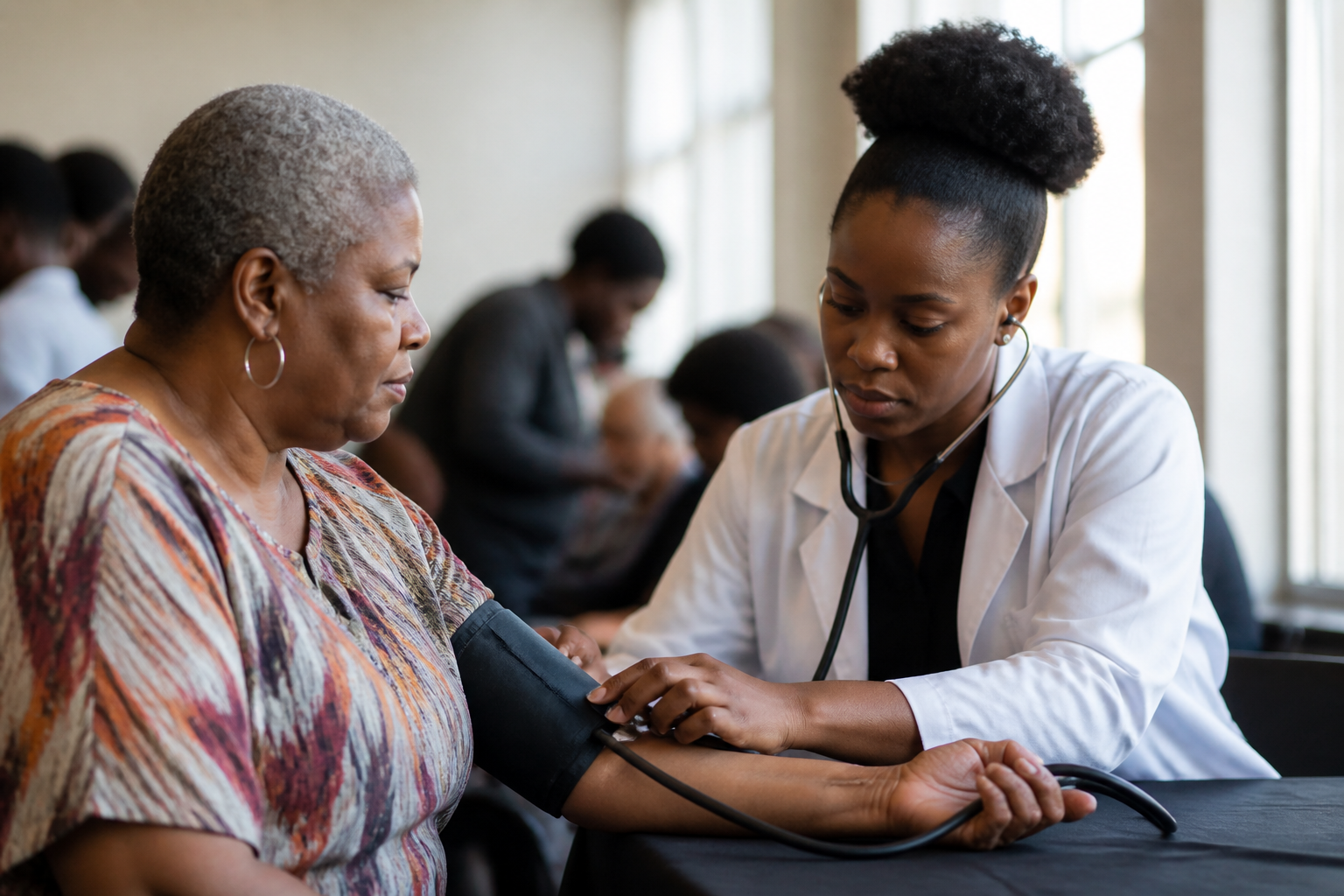
Heart disease remains the leading cause of death for Black women in the United States, who face disproportionately higher rates of hypertension, heart failure, and pregnancy-related cardiovascular complications compared to their white peers. Researchers point to a longitudinal model—one that actively monitors risk factors from adolescence through pregnancy, menopause, and healthy aging—as an essential tool to interrupt these systemic inequities.
Tailoring Prevention Across Every Stage of Life
The proposed framework outlines key developmental milestones where cardiovascular risk can accelerate if left unmanaged. Early life factors, maternal health outcomes, and hormone fluctuations during later reproductive transitions all serve as critical windows for intervention. For Black women, structural barriers to early screening mean that potential warning signs are frequently overlooked until severe complications arise.
By implementing longitudinal monitoring, healthcare providers can track cumulative cardiovascular risks across decades. This approach allows clinical teams to offer timely preventive measures, targeted lifestyle guidance, and personalized medical interventions long before acute cardiac events occur, ultimately helping to bridge the mortality gap that disproportionately affects Black mothers and older adults.
The Vital Role of HBCUs in Cardiovascular Equity
Achieving true health equity through advanced clinical frameworks requires a workforce capable of delivering culturally competent, trust-based care. Historically Black Colleges and Universities (HBCUs) play an indispensable role in training the next generation of physicians, clinical researchers, and public health professionals dedicated to eliminating cardiovascular disparities in minority communities.
HBCU medical schools consistently produce a high percentage of the nation's Black doctors, who are uniquely positioned to advocate for comprehensive, life-stage-based preventive care. By expanding research and training opportunities within these institutions, the medical field can ensure that innovative models for women's heart health are effectively integrated into the communities that need them most.