HBCU Medicine
Charles R. Drew University Selected to Lead New Regional Medical Pathways Initiative
Charles R. Drew University will lead a new regional hub through the California Medicine Scholars Program to support community college students pursuing careers in medicine.
Published September 1, 2026 · HealthHBCU Newsroom
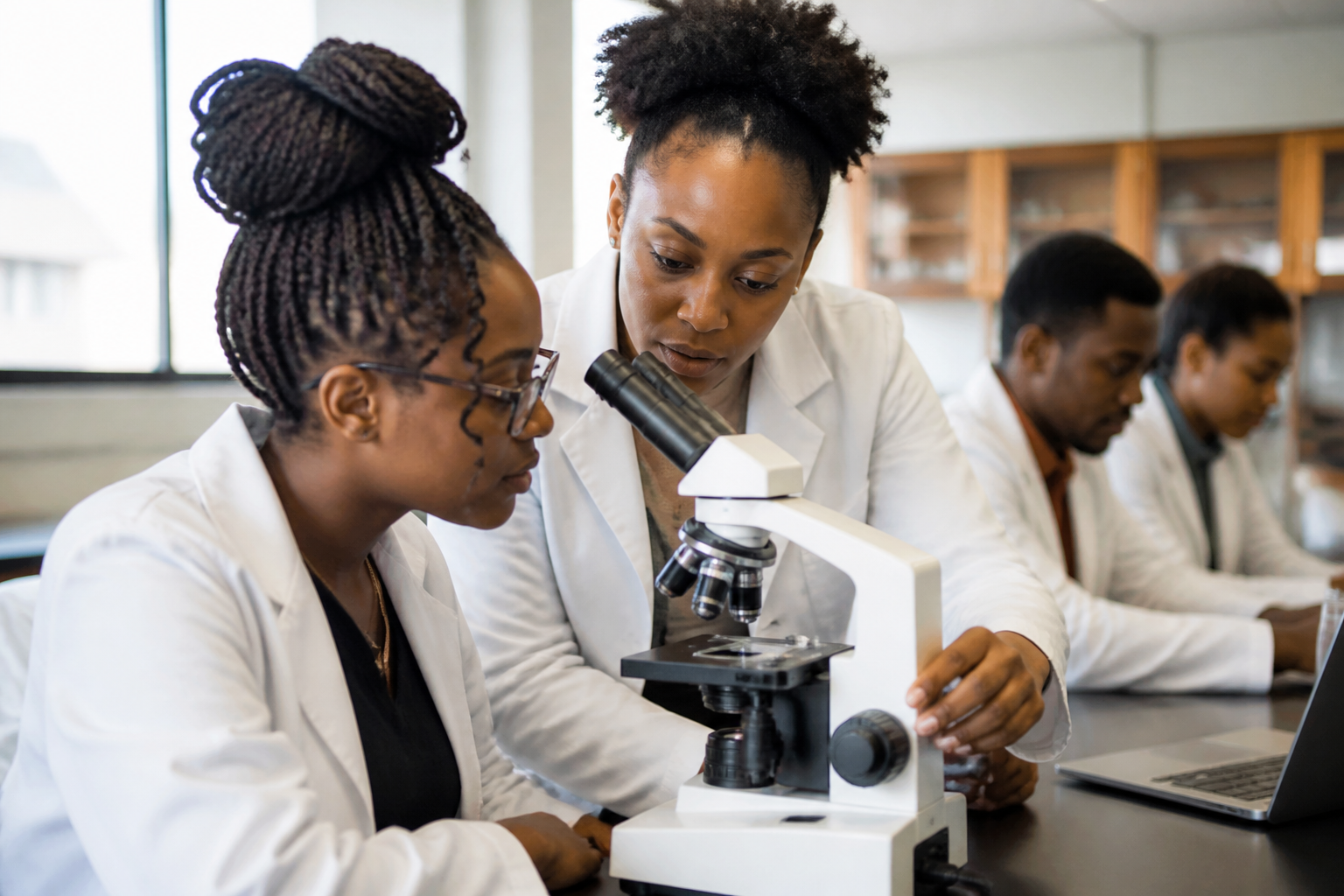
Charles R. Drew University of Medicine and Science has been chosen to head a new regional initiative designed to create clearer pathways for community college students aspiring to become physicians. The Historically Black institution will lead one of three new Regional Hubs of Healthcare Opportunity established through the California Medicine Scholars Program, marking a significant expansion of statewide efforts to diversify the medical profession.
The expansion introduces two regional centers in the Los Angeles area alongside a third in the San Francisco Bay Area. While Charles R. Drew University guides its regional initiative, corresponding hubs are being directed by the UCLA David Geffen School of Medicine and Chabot College. Together, these programs aim to bridge the gap between two-year higher education institutions and four-year medical degree tracks.
Strengthening the Pipeline for Black Physicians
The California Medicine Scholars Program focuses on recruiting and supporting community college students from backgrounds historically underrepresented in medicine. By establishing structured mentorship, academic preparation, and institutional partnerships, the regional hubs help nontraditional and low-income students navigate the complex journey toward medical school admission.
For Charles R. Drew University, leading a regional hub aligns directly with its foundational mission of cultivating diverse healthcare leaders. Historically Black colleges and universities produce a disproportionate share of the nation’s Black medical graduates and physicians who choose to practice in medically underserved communities. Integrating community colleges into this pipeline opens doors for talented individuals who might otherwise lack direct access to pre-medical resources and guidance.
Addressing Structural Disparities in Community Health
The necessity for a more representative healthcare workforce remains urgent across California and the nation. Black patients routinely face elevated rates of chronic conditions, including heart disease, maternal health complications, and diabetes, while frequently encountering systemic barriers within the care system. Research consistently demonstrates that a diverse physician workforce improves clinical communication, patient trust, and health outcomes in marginalized communities.
By placing a health sciences HBCU at the center of regional workforce development, the initiative ensures that training programs remain deeply connected to community needs. Through strategic coordination across local colleges and medical centers, the program aims to cultivate a new generation of doctors equipped to deliver equitable, high-quality care where it is needed most.