HBCU Medicine
Research Shows Black Patients Experience Longer Life Expectancy When Treated by Black Doctors
A growing body of research confirms that race-concordant care leads to higher life expectancy and better clinical outcomes for Black patients, underscoring the critical mission of HBCU medical institutions.
Published September 1, 2026 · HealthHBCU Newsroom

A growing body of rigorous health services research demonstrates a powerful reality: race-concordant care—when Black patients receive medical treatment from Black physicians—directly translates to better health outcomes and increased life expectancy. In a healthcare system historically plagued by systemic inequities, racial bias, and severe disparities in chronic disease, the presence of a physician who shares a patient's lived experience can literally mean the difference between life and death.
Studies exploring patient-provider dynamics consistently show that Black patients cared for by Black doctors receive more comprehensive preventive care, report higher levels of trust, and adhere more closely to medical advice. This dynamic helps dismantle decades of earned mistrust in medical institutions, creating a clinical environment grounded in mutual understanding and empathy.
The Measurable Impact on Life Expectancy
The connection between physician diversity and patient longevity is not merely theoretical; it is backed by empirical data. When Black patients are treated by Black physicians, researchers observe significantly higher rates of essential health screenings, such as mammograms, colonoscopies, and cardiovascular evaluations. Early detection of chronic conditions—including hypertension, diabetes, and various cancers—is critical to preventing premature mortality in Black populations.
Furthermore, Black doctors are statistically more likely to practice in primary care and serve in medically underserved urban and rural communities. Their presence in these areas directly improves healthcare access for marginalized populations, helping to close the persistent life expectancy gap between Black and white Americans.
The Role of HBCUs in Diversifying Medicine
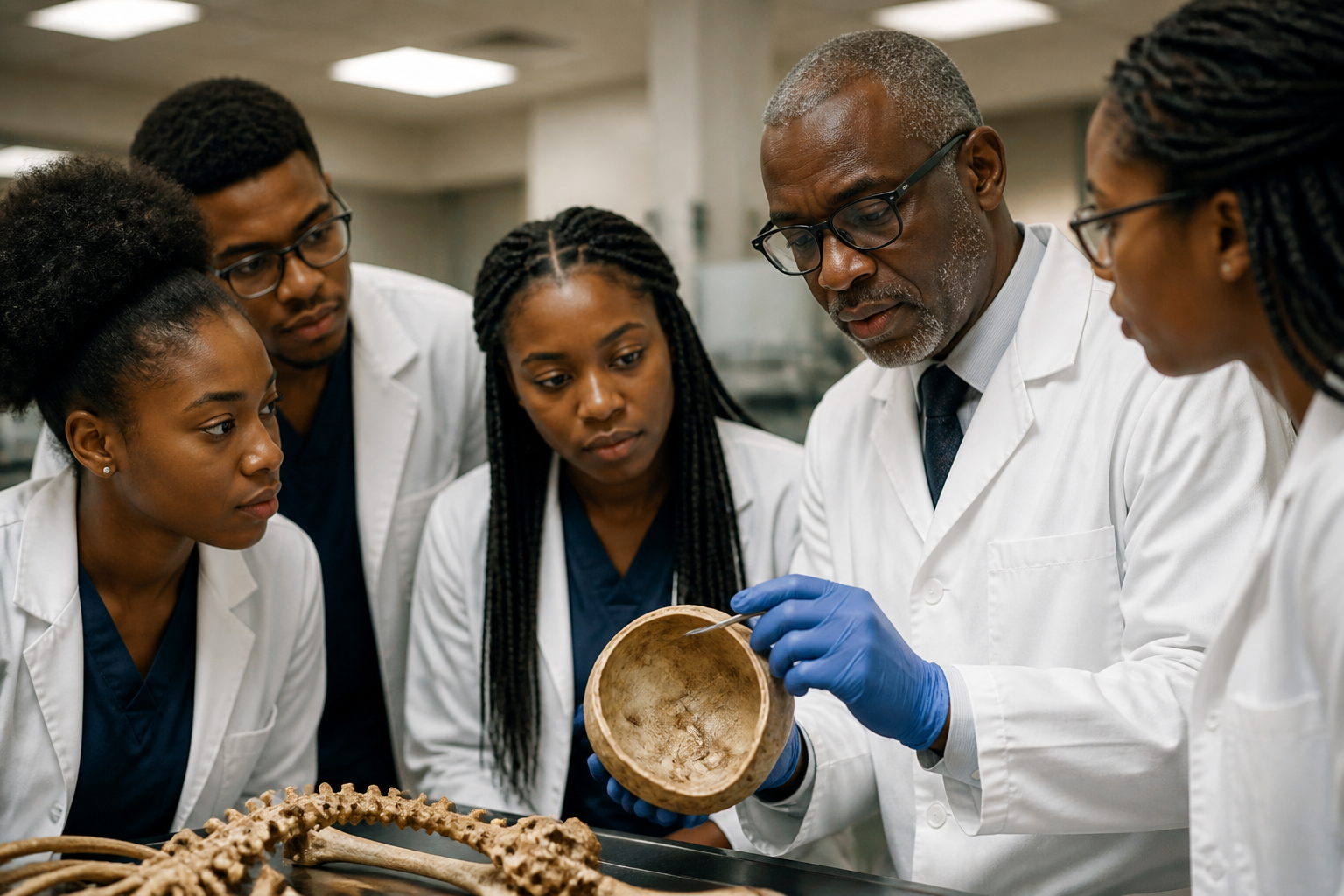
Despite these clear clinical benefits, Black physicians currently represent only a small fraction of the total physician workforce in the United States. Reversing this shortage requires a sustained investment in the educational pipelines that produce Black medical professionals. Historically Black Colleges and Universities (HBCUs) remain the premier engine for generating diverse healthcare leaders.
HBCU medical institutions—such as Meharry Medical College, Howard University College of Medicine, Morehouse School of Medicine, and the Charles R. Drew University of Medicine and Science—produce a disproportionate percentage of the nation's Black doctors. Additionally, undergraduate HBCU programs continuously supply top-tier candidates to medical schools across the country.
Transforming the Future of Black Community Health
Addressing racial health disparities requires systemic solutions, and expanding the pipeline of Black medical professionals is among the most effective interventions available. Increasing funding and institutional support for HBCU medical programs directly expands access to life-saving, culturally competent care for Black communities nationwide.
As research continues to validate the profound benefits of race-concordant care, prioritizing diversity in medicine must become a national imperative. Strengthening the HBCU-to-medicine pipeline is essential to building a healthcare system where every patient, regardless of race, has an equal opportunity to live a long and healthy life.