HBCU Medicine
DeKalb County and Morehouse School of Medicine Launch First HBCU Forensic Pathology Fellowship
A historic partnership creates the first forensic pathology fellowship program at a Black medical school, expanding specialized workforce opportunities for Black physicians.
Published September 1, 2026 · HealthHBCU Newsroom
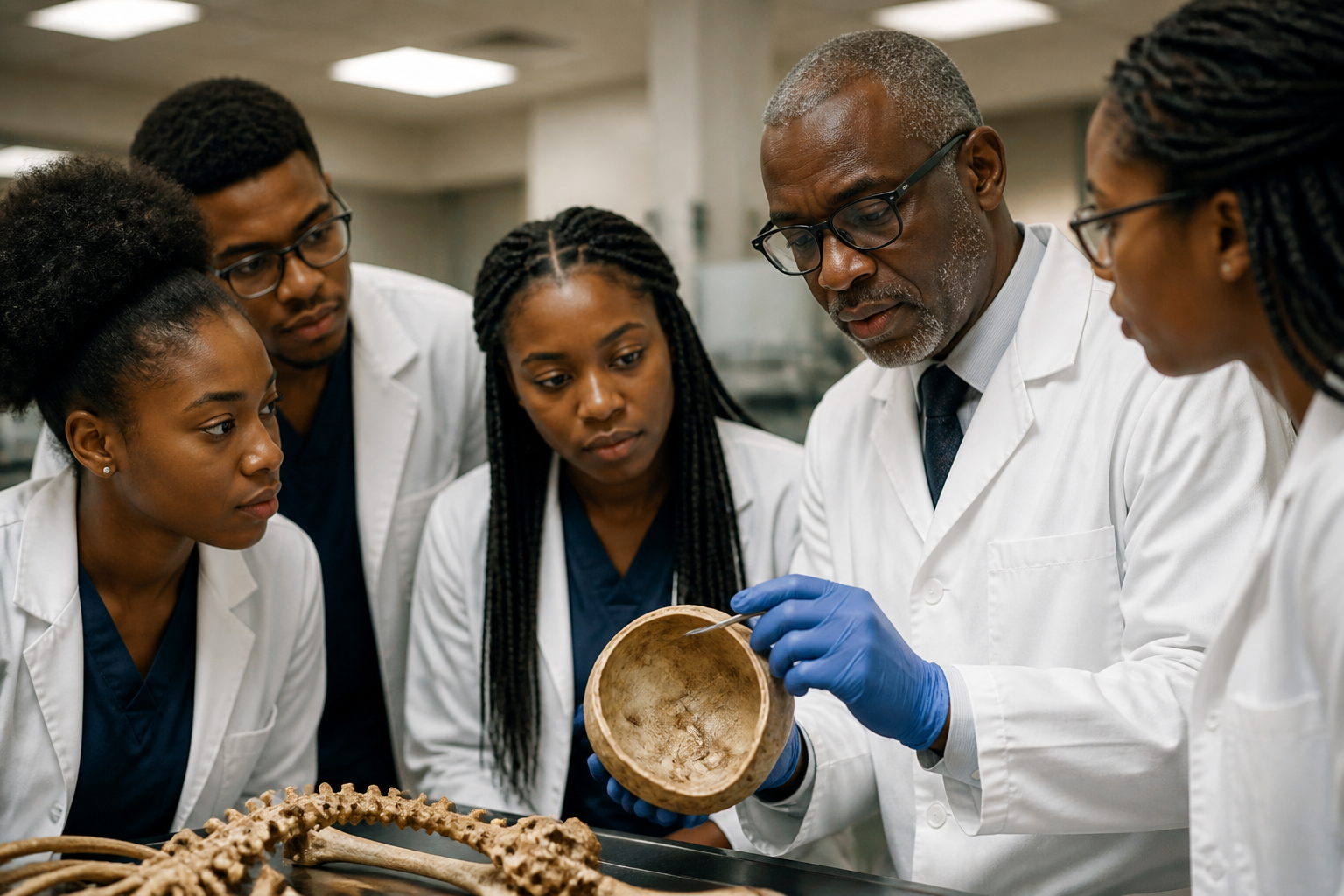
A groundbreaking partnership between DeKalb County and the Morehouse School of Medicine has established the nation's first forensic pathology fellowship program hosted at a Historically Black Medical School. The historic initiative aims to address a severe national shortage of board-certified forensic pathologists while creating a direct pipeline for Black physicians to enter a vital, highly specialized medical field.
By bridging academic medicine and public safety, the fellowship creates a new pathway for advanced post-graduate medical training. Trainees will gain specialized expertise in death investigation, autopsies, and courtroom testimony, working closely with local medical examiners and public health officials.
Addressing Critical Disparities in Pathology
The field of forensic pathology faces a profound workforce crisis across the United States, with a shortage of trained specialists delaying death investigations and overburdening county medical offices. For Black communities, this workforce shortage intersects with broader issues of health equity, criminal justice, and representation.
Physicians of color remain vastly underrepresented in pathology and specialized forensic sciences. By housing this fellowship within the Morehouse School of Medicine, the program leverages the institution's long-standing dedication to health equity, ensuring that future forensic experts are trained with a deep understanding of community health, social determinants, and systemic disparities.
Strengthening Community Infrastructure and Workforce Pipelines
Forensic pathologists play a pivotal role in public health surveillance. Beyond investigating unexpected or violent deaths, these specialists help identify emerging toxicological threats, track infectious disease outbreaks, and gather critical mortality data that inform public health policy.
This joint venture between county leadership and Morehouse School of Medicine reinforces the indispensable role HBCUs play in building robust health and civic infrastructure. By equipping early-career Black physicians with advanced forensic training, the program not only expands the diversity of the medical workforce but also ensures that death investigations are conducted with scientific rigor, cultural competence, and community trust.