HBCU Medicine
Charles R. Drew University Welcomes New Physician Assistant Class, Continuing a 55-Year Legacy of Care
A new class of 26 students joins Charles R. Drew University's physician assistant program, carrying forward a 55-year commitment to expanding healthcare access in underserved communities.
Published August 22, 2026 · HealthHBCU Newsroom
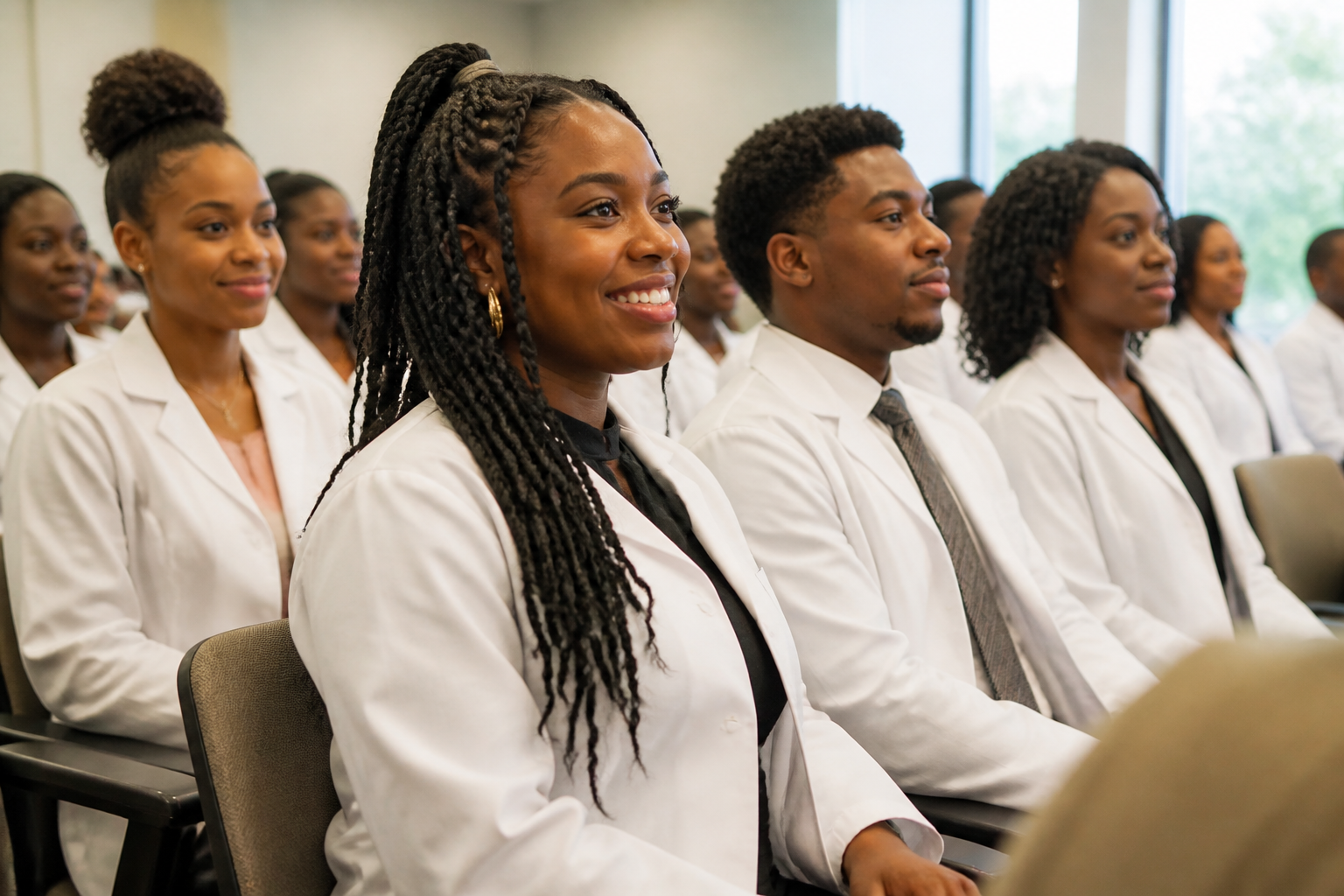
A new cohort of 26 students at Charles R. Drew University of Medicine and Science (CDU) has officially begun training in the university’s Physician Assistant (PA) program. The milestone marks another chapter in CDU’s 55-year tradition of educating mid-level healthcare providers to serve underresourced communities and bridge critical care gaps.
The physician assistant profession emerged more than 60 years ago as a direct response to a national shortage of primary care physicians. Today, PAs serve as essential members of interprofessional medical teams, delivering high-quality primary and specialized care to help ensure patients receive timely, continuous treatment.
Strengthening the Healthcare Pipeline
CDU’s long-standing PA program remains vital to expanding diversity within the medical workforce. Black healthcare providers continue to be underrepresented across the clinical spectrum, even as research consistently shows that patient outcomes, trust, and communication improve when patients receive care from culturally competent providers who reflect their backgrounds.
By equipping a new generation of clinicians, CDU directly tackles systemic health disparities that disproportionately affect Black communities. PAs trained at historically Black and minority-serving institutions are uniquely prepared to practice in medically underserved urban and rural neighborhoods where access to primary care is often severely limited.
Expanding Community-Based Primary Care
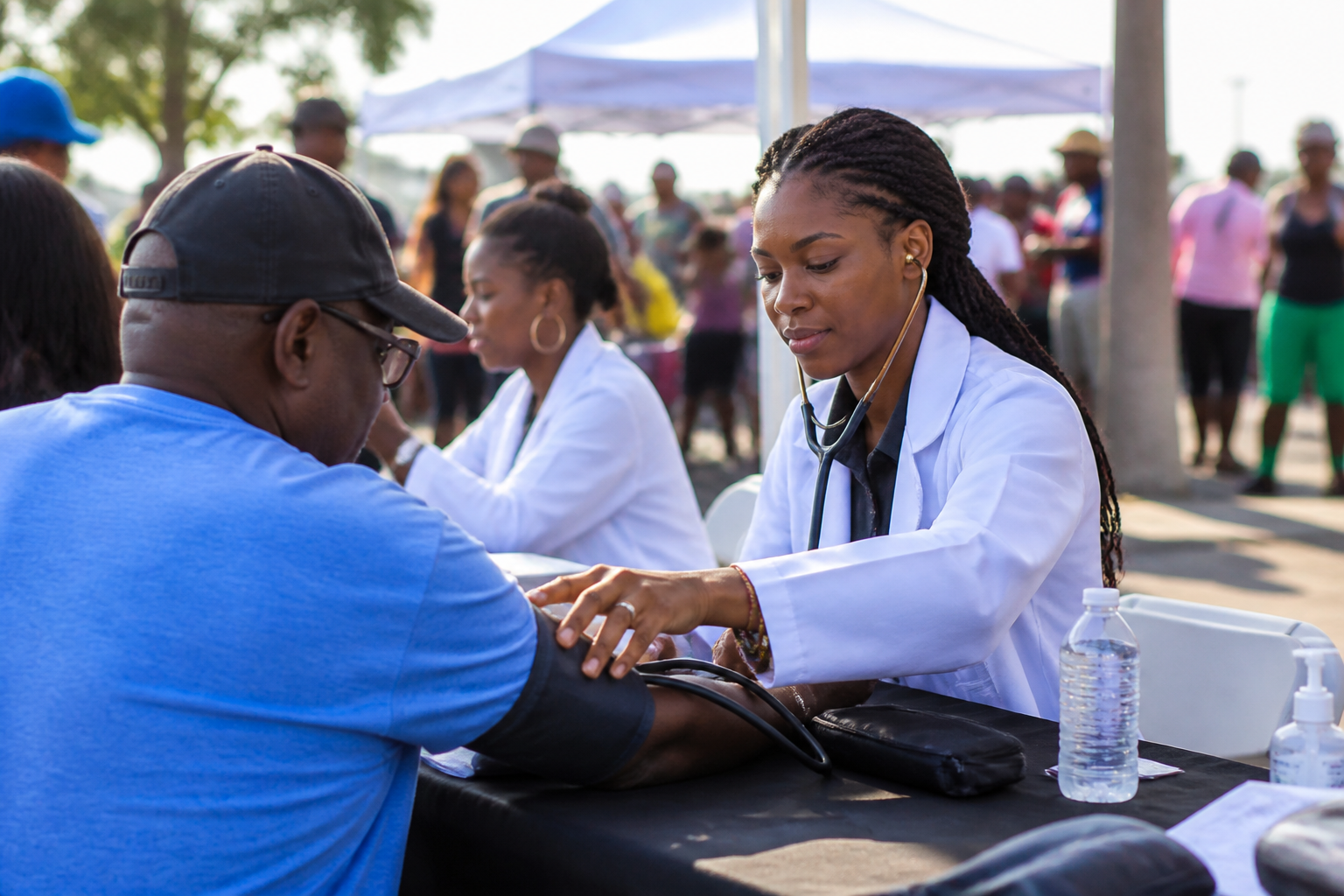
The arrival of the new class highlights the ongoing need for mid-level practitioners to address persistent shortages in primary care medicine. As rates of chronic conditions such as hypertension, diabetes, and cardiovascular disease remain high in minoritized populations, expanding the frontline healthcare workforce is a critical public health priority.
CDU’s latest cohort will undergo rigorous clinical and academic preparation designed to turn their commitment to health equity into actionable community care. As these 26 students advance through their training, they carry forward a 55-year legacy of clinical excellence and community service dedicated to improving care access for all.