HBCU Medicine
DeKalb County Establishes Historic Forensic Pathology Fellowship for HBCU Students
The DeKalb County Medical Examiner’s Office has launched a novel pathology fellowship designed to increase representation and open career pathways for Black medical scholars.
Published August 20, 2026 · HealthHBCU Newsroom
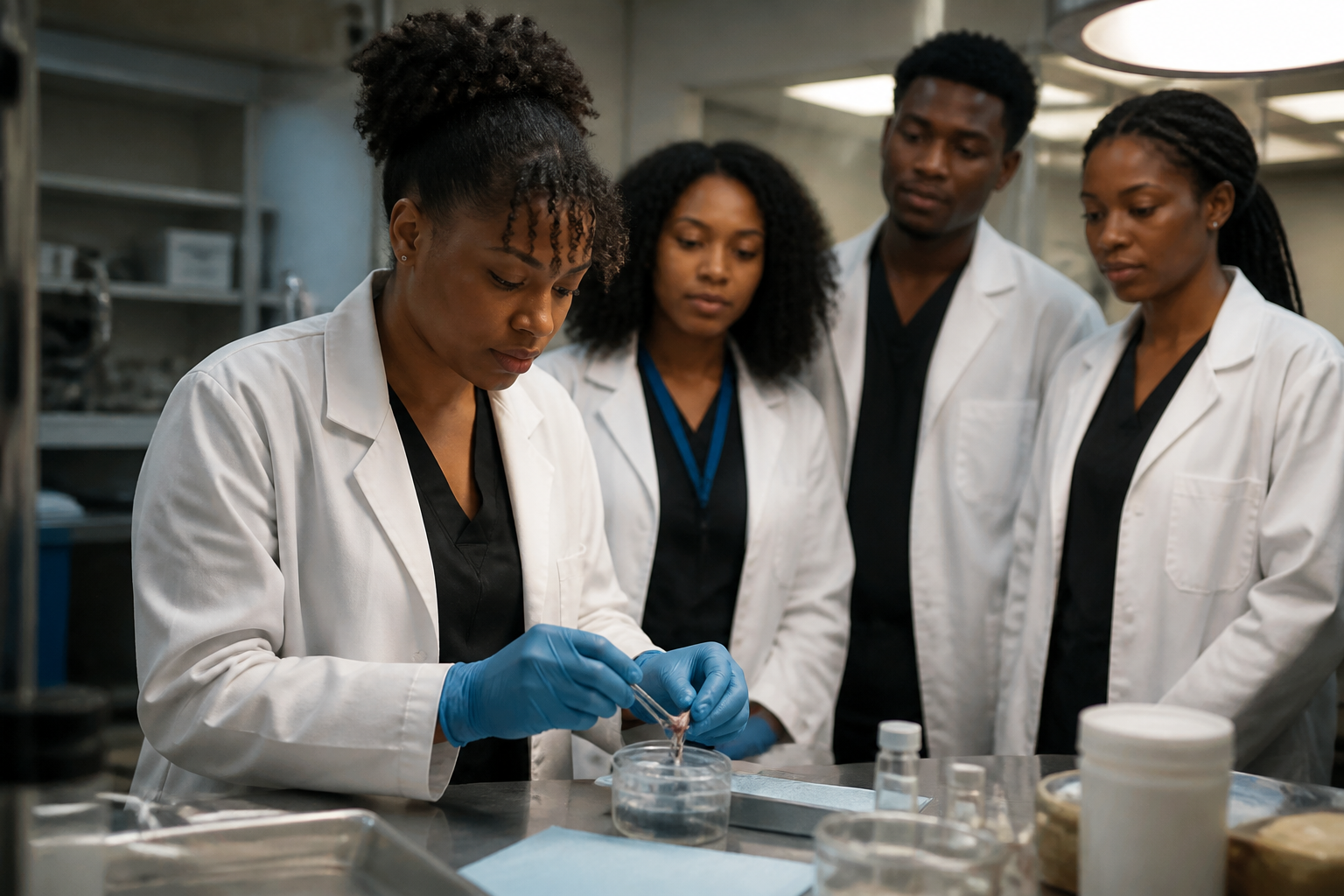
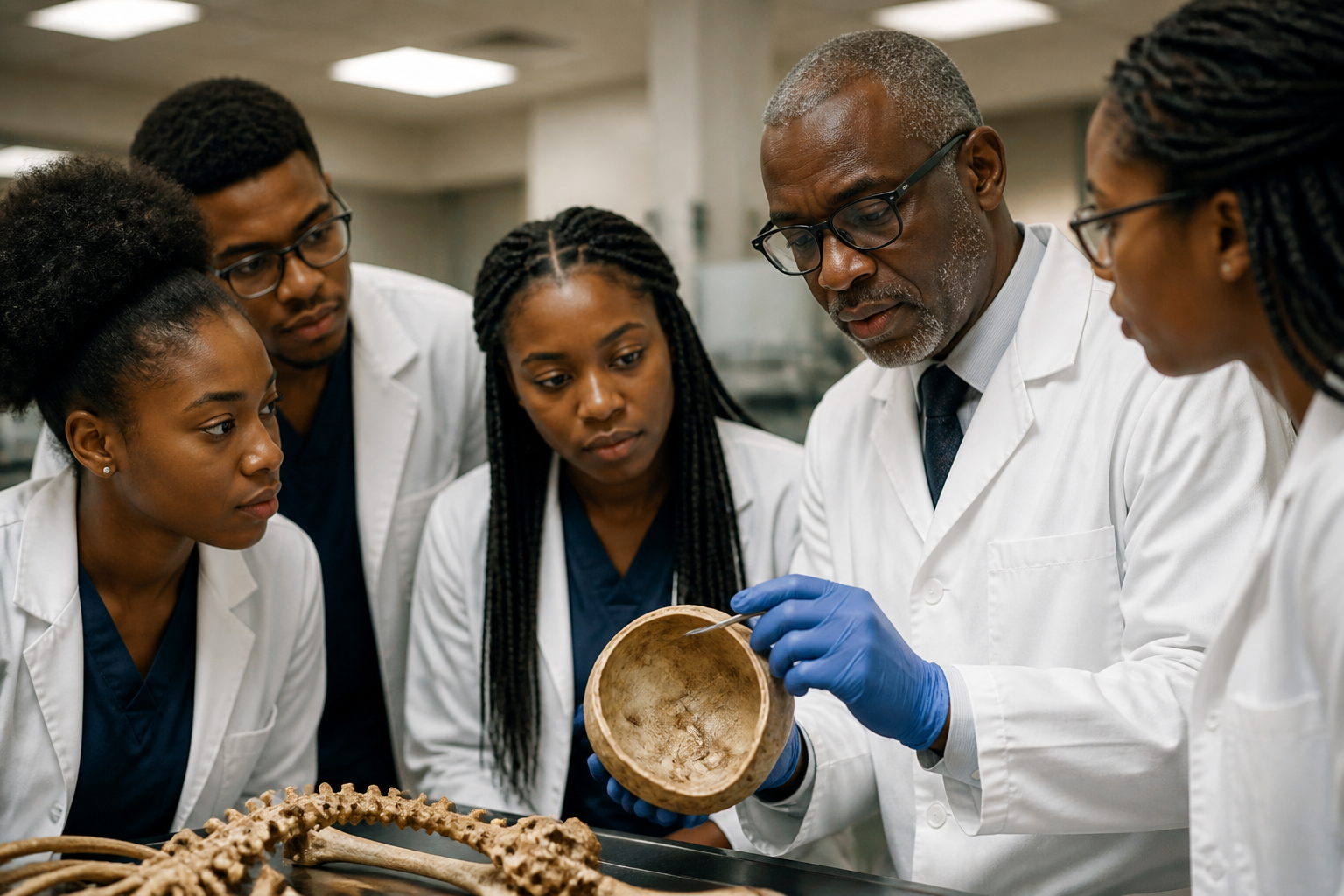
The DeKalb County Medical Examiner’s Office in Georgia has established a pioneering pathology fellowship specifically designed to train students from Historically Black Colleges and Universities. The initiative seeks to create a direct pipeline for Black scholars into forensic medicine, a specialized medical discipline that has historically lacked racial diversity.
By partnering with HBCUs, the medical examiner's office aims to provide hands-on experience in forensic pathology, autopsies, and medico-legal death investigations. This immersive exposure is critical for medical students considering careers in specialized laboratory and investigative medicine.
Addressing Structural Disparities in Specialty Medicine
The establishment of this fellowship directly targets the underrepresentation of Black professionals in medical specialties. While Black physicians remain underrepresented across the entire healthcare landscape, specialized fields like pathology and forensic medicine face even steeper diversity deficits.
Closing this gap is essential for building equitable public health infrastructure. Forensic pathologists play a vital role in community health by evaluating unexpected deaths, identifying environmental hazards, assessing violent incidents, and shedding light on public safety concerns. Increasing Black leadership in forensic medicine ensures these critical community assessments are conducted with diverse expertise and cultural competence.
Harnessing the Power of HBCU Medical Pipelines
Historically Black institutions produce a disproportionate percentage of the nation’s Black physicians and science graduates. Programs that directly connect these students to specialized county medical facilities provide essential mentorship, clinical training, and professional networking opportunities that can shape career trajectories.
The DeKalb fellowship offers a replicable model for municipal agencies nationwide seeking to diversify their health and scientific workforces. By institutionalizing recruitment partnerships with HBCUs, local public health agencies can actively dismantle systemic barriers while cultivating a new generation of skilled, community-focused forensic specialists.