HBCU Medicine
Why Are There So Few HBCU Medical Schools?
A legacy of historical barriers, funding disparities, and early 20th-century policy decisions left the nation with just four Black medical colleges today.
Published August 20, 2026 · HealthHBCU Newsroom
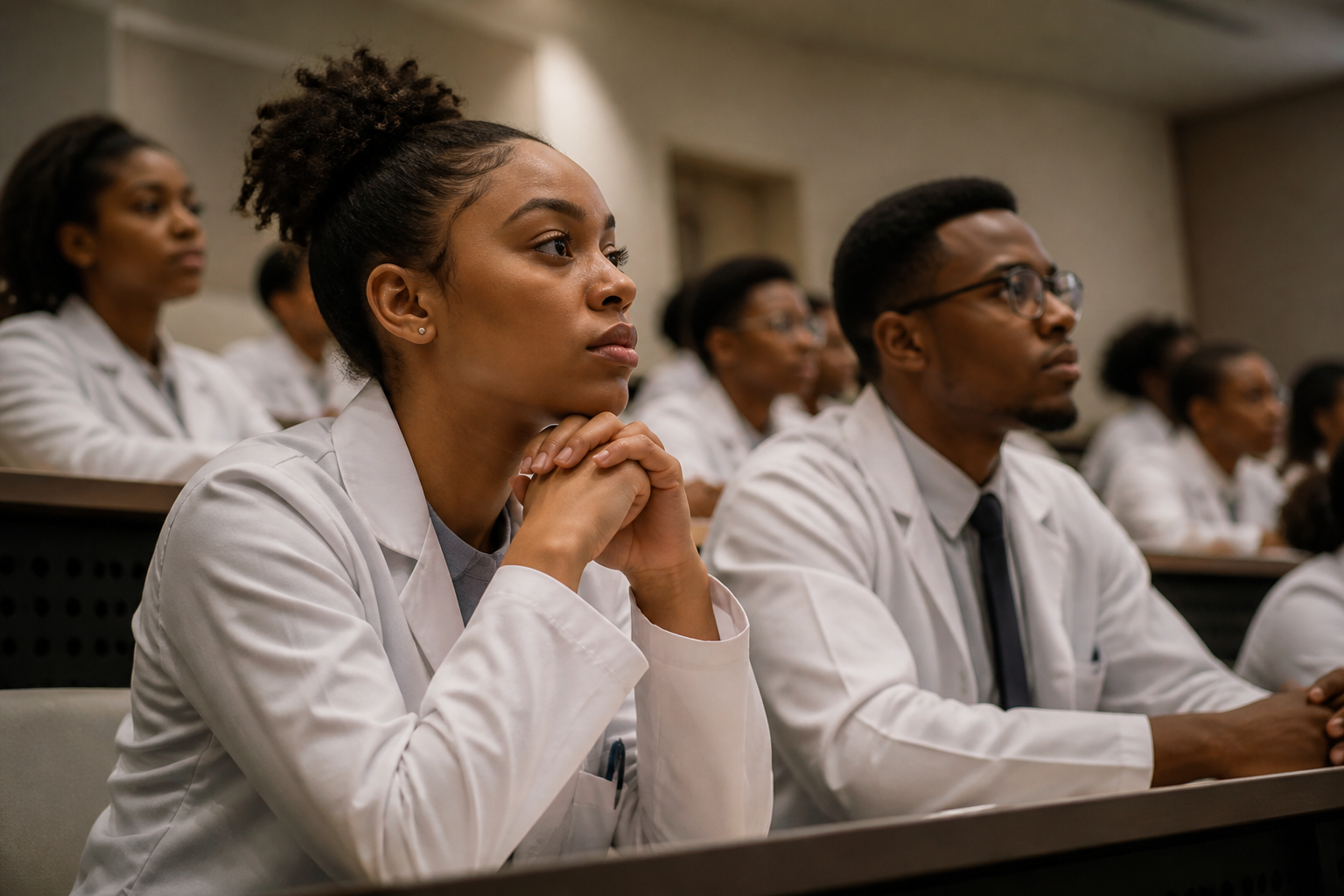
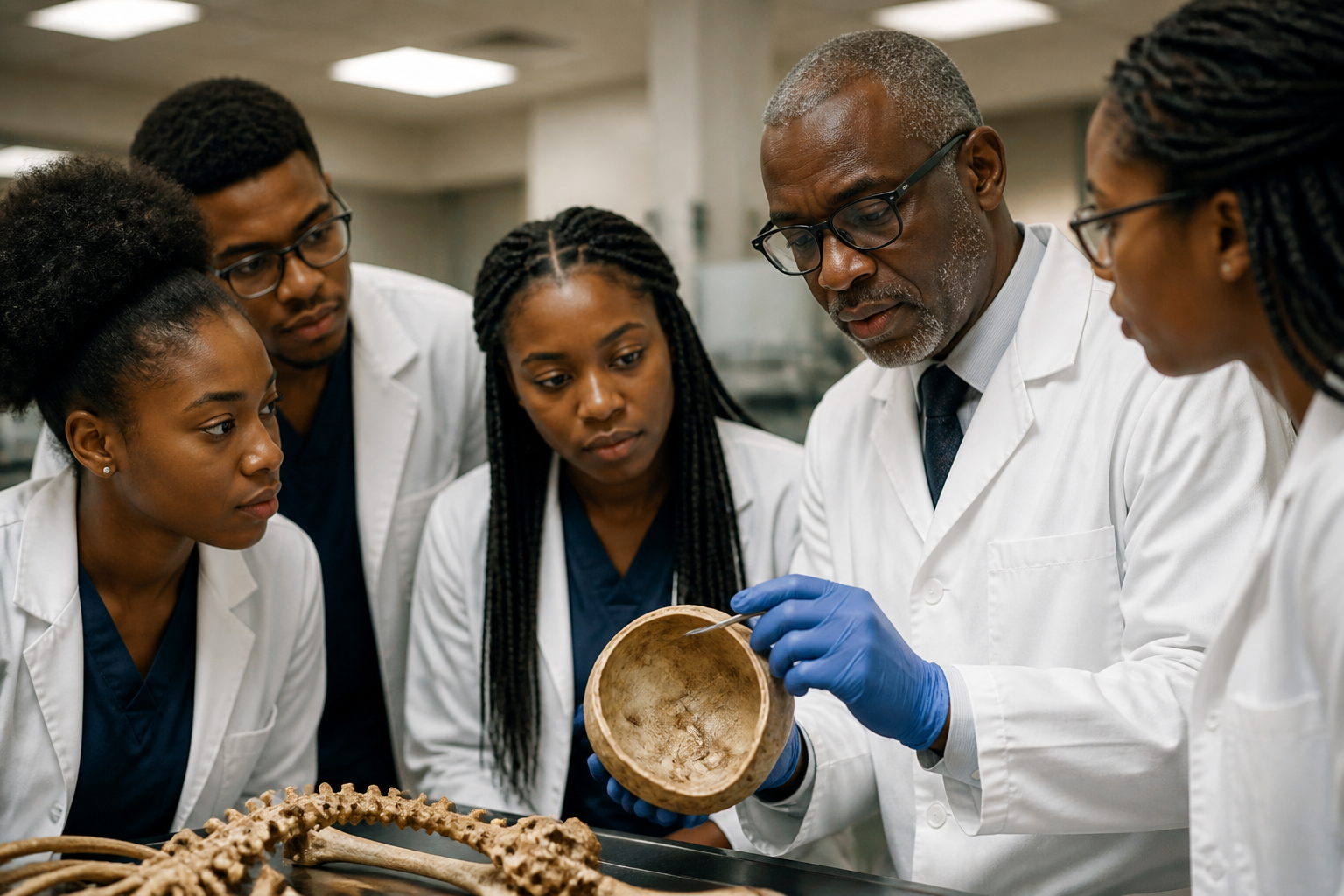
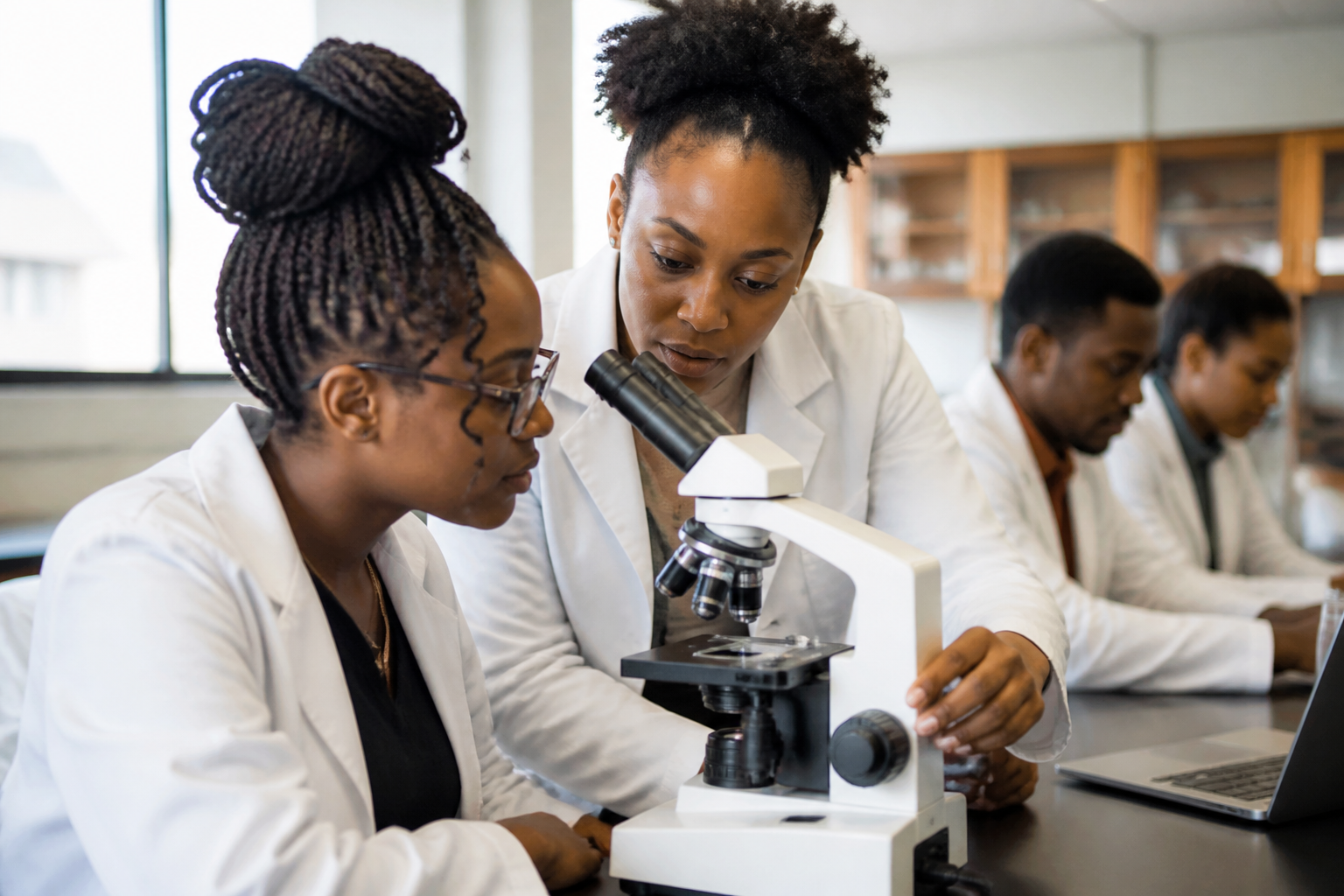
Historically Black Colleges and Universities (HBCUs) have long played a disproportionate role in training Black physicians in the United States. Despite representing a small fraction of higher education institutions, these schools remain vital engines of diversity in American medicine. However, out of the more than 100 HBCUs across the nation, only four currently operate medical schools: Howard University College of Medicine, Meharry Medical College, Morehouse School of Medicine, and Charles R. Drew University of Medicine and Science.
Understanding why so few HBCU medical schools exist today requires examining a combination of historical legislative barriers, chronic federal underfunding, and institutional costs that have shaped medical education for over a century.
The Legacy of the Flexner Report
The scarcity of Black medical institutions can be traced back to the early 20th century. In 1910, Abraham Flexner published a report commissioned by the Carnegie Foundation for the Advancement of Teaching, which aimed to standardize and modernize American medical education. While the Flexner Report led to significant improvements in clinical training and rigorous scientific standards across the country, it had a devastating impact on institutions serving Black students.
Prior to the report, seven Black medical schools existed in the United States. Flexner recommended the closure of five of them, arguing that they lacked the financial resources, laboratory infrastructure, and clinical facilities required for modern training. Relying on racial assumptions of the era, the report suggested that Black physicians should be trained primarily for service roles rather than comprehensive clinical leadership. Consequently, five Black medical schools closed, leaving only Howard University in Washington, D.C., and Meharry Medical College in Nashville, Tennessee, to carry the responsibility of educating Black doctors for decades.
Modern Disparities and the Path Forward
The financial requirements to establish and maintain an accredited medical school remain extraordinarily high. Modern medical programs demand substantial capital for research laboratories, teaching facilities, clinical faculty, and partnerships with teaching hospitals. Decades of systemic underfunding of HBCUs, combined with unequal state allocations and smaller institutional endowments, created immense hurdles for Black colleges attempting to launch complex medical programs.
It was not until the late 20th century that additional HBCU medical schools emerged. Morehouse School of Medicine in Atlanta was established in 1975, followed by Charles R. Drew University of Medicine and Science in Los Angeles, which gained independent degree-granting medical authority in later decades.
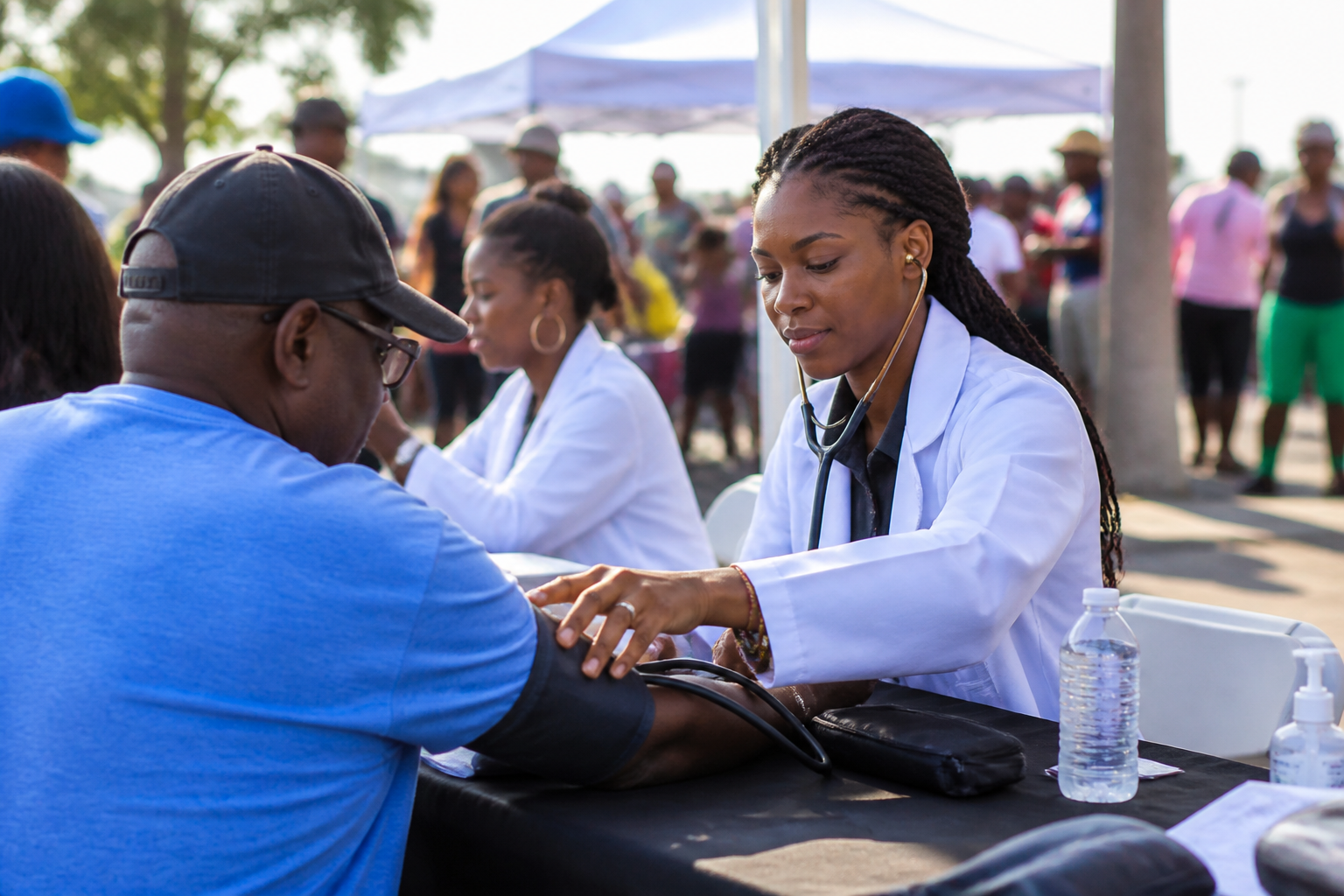
Today, the limited number of HBCU medical institutions directly impacts representation in the medical field. Black physicians make up only a tiny percentage of the total physician workforce in the United States, even as research consistently shows that race-concordant care improves health outcomes, patient satisfaction, and trust in Black communities. Expanding training capacity and supporting new medical initiatives at HBCUs remains one of the most effective strategies for diversifying the health workforce and addressing persistent health disparities.